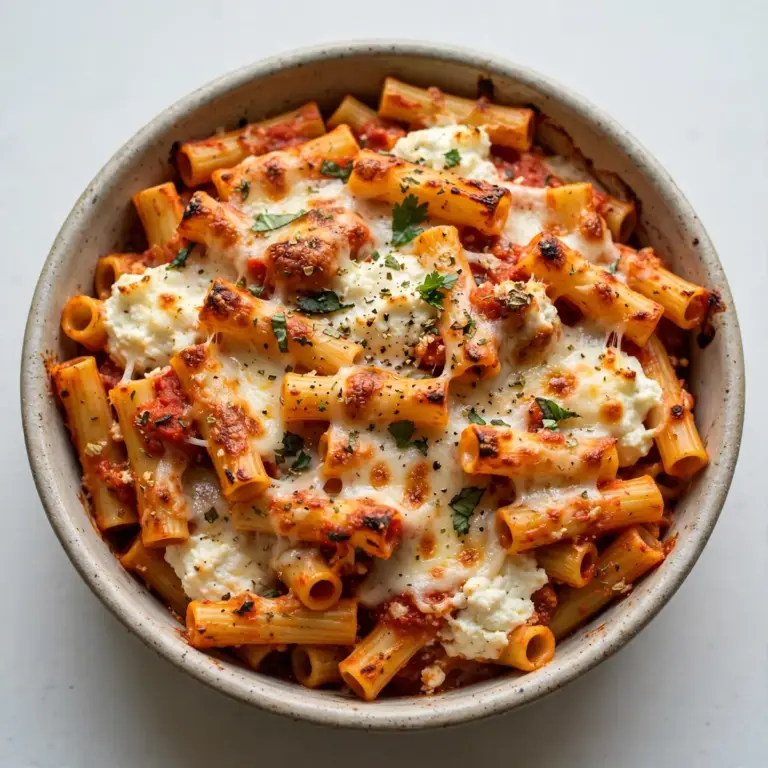
Slow Down for Cozy Classic Ground Beef Lasagna
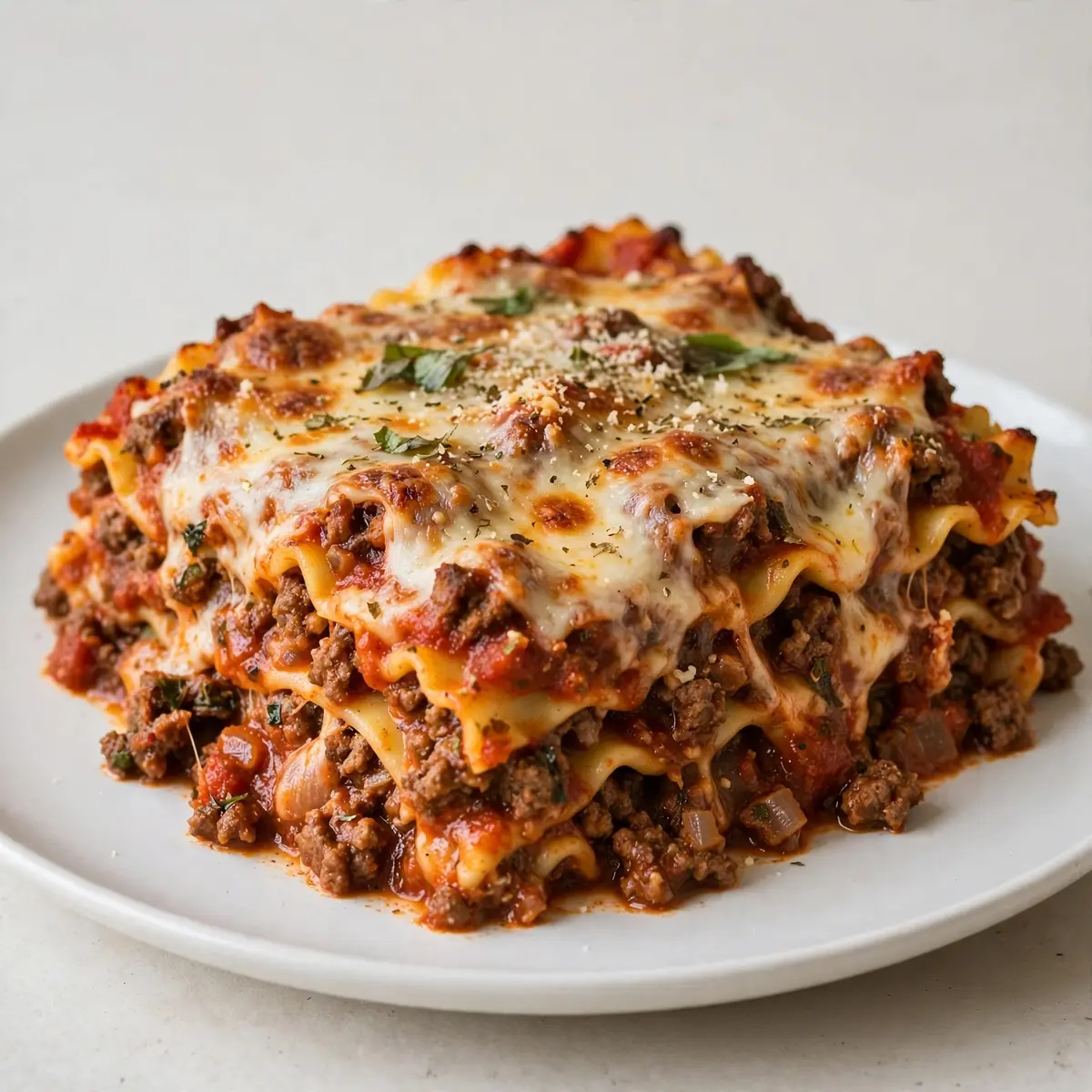
There are weekends for frantic tidying and errand-running, and then there are weekends for slow, deliberate kitchen projects that fill the house with a deep, savoury promise. This Classic Ground Beef Lasagna is precisely that kind of undertaking—a labour of love that rewards patience with layers of rich, bubbling joy. Let’s tie on an apron, turn up the radio, and lose ourselves in the simple pleasure of building something truly special, one layer at a time.
Recipe Overview
- Prep Time: 45 minutes
- Cook Time: 1 hour 15 minutes
- Total Time: 2 hours (plus 15 minutes resting)
- Servings: 8-10 generous portions
- Difficulty: Medium — a wonderful weekend project
Why You’ll Love This Classic Ground Beef Lasagna
- Aromatic kitchen therapy: The scent of garlic, oregano, and simmering tomatoes slowly permeates every corner of your home, creating an atmosphere of pure comfort.
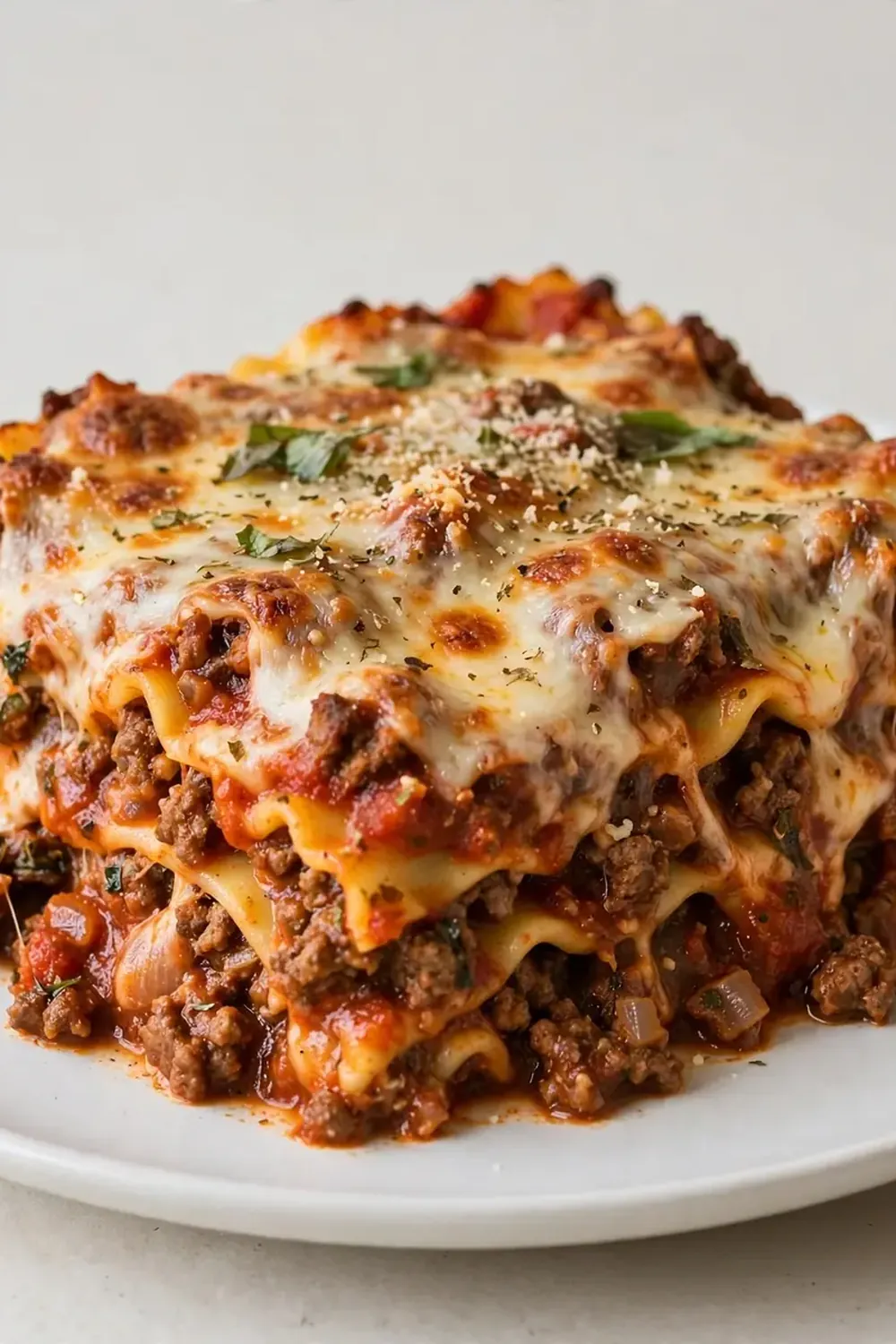
- Deeply satisfying layers: Each forkful offers a perfect cross-section of tender pasta, creamy béchamel, hearty meat sauce, and molten cheese.
- Make-ahead magic: Assemble it on a leisurely Saturday, then simply bake it on a busy Sunday when you need a spectacular meal without the fuss.
- Family-friendly through and through: My kids absolutely devour this every time I make it, and I love that it’s packed with hidden vegetables they happily eat.
- Leftovers that improve: This lasagna tastes even better the next day, as the flavours have time to meld into something truly remarkable.
Ingredients You’ll Need
- 900g lean minced beef
- 2 tablespoons olive oil
- 2 large onions, finely diced
- 4 garlic cloves, minced
- 2 large carrots, grated
- 2 celery sticks, finely chopped
- 2 x 400g tins chopped tomatoes
- 3 tablespoons tomato purée
- 500ml beef stock (low-salt)
- 2 teaspoons dried oregano
- 1 teaspoon dried thyme
- Salt and freshly ground black pepper, to taste
- 12-15 dried lasagna sheets (no pre-boil variety works well)
- 500g ricotta cheese
- 1 large egg
- 100g grated Parmesan cheese
- 400g fresh mozzarella, sliced
- Large handful of fresh basil leaves, roughly torn
Tip: For the béchamel, you’ll also need 60g butter, 60g plain flour, and 750ml whole milk. Grate your own Parmesan from a block if you can—it melts far more smoothly and tastes infinitely better than the pre-shaken stuff.
How to Make Classic Ground Beef Lasagna
- Build the meat sauce. Heat the olive oil in a large, heavy-bottomed pot over a medium-high flame. When the oil shimmers and smells fragrant, add the diced onions. Cook, stirring occasionally, until they turn translucent and release a sweet, savoury aroma—about 5 minutes. Stir in the grated carrots and chopped celery, and let them soften for another 4 minutes, until the kitchen smells earthy and clean. Add the minced garlic and cook for just 30 seconds, until it becomes fragrant. Now add the minced beef, breaking it apart with a wooden spoon. Cook until the meat browns, losing its pink hue and turning a rich, nutty brown—listen for the satisfying sizzle as the moisture evaporates.
- Simmer the ragu. Once the beef is browned, stir in the tomato purée and cook for a minute, scraping up any browned bits from the bottom of the pan. Pour in the chopped tomatoes and beef stock. Add the oregano and thyme, and season generously with salt and pepper. Bring the sauce to a gentle bubble—you’ll see small, lazy bubbles breaking the surface. Reduce the heat to low, partly cover the pot, and let it simmer for 45 minutes, stirring every so often. The sauce will thicken, turning a deep, brick-red colour, and the aroma will become intensely savoury.
- Prepare the béchamel and ricotta layer. While the sauce simmers, make the béchamel. Melt the butter in a medium saucepan over medium heat. When it foams and smells nutty, whisk in the flour. Cook this roux for 1-2 minutes, stirring constantly, until it turns a pale golden colour and smells like baked pastry. Slowly pour in the milk, whisking vigorously to prevent lumps. Continue whisking until the sauce thickens and coats the back of a spoon—the texture should feel velvety and smooth. Season with a pinch of salt and a grating of nutmeg. In a separate bowl, combine the ricotta, the egg, half the grated Parmesan, and the torn basil. Stir until the mixture is creamy and uniformly pale green.
- Assemble the layers. Preheat your oven to 180°C (fan-assisted). Spread a thin layer of the meat sauce across the bottom of a deep, 23x33cm baking dish. This prevents the pasta from sticking. Place a layer of lasagna sheets over the sauce, ensuring they don’t overlap too much. Spread a third of the remaining meat sauce over the pasta, followed by dollops of the ricotta mixture (about a third of it), and then a few slices of mozzarella. Repeat this layering process—pasta, meat sauce, ricotta, mozzarella—two more times. Finish with a final layer of pasta sheets, pour the béchamel sauce evenly over the top, and scatter the remaining Parmesan and any leftover mozzarella slices on top.
- Bake to golden perfection. Place the dish on a baking tray to catch any drips, and bake on the middle rack for 40 minutes. After this time, check the surface—it should be bubbly and lightly golden. If you’d like a deeper colour, turn the oven to 200°C and bake for another 5-10 minutes, until the top is a deep, glossy bronze and the edges are bubbling enthusiastically. You’ll hear the sauce gently popping as it bakes.
- Rest before serving. This step is crucial. Remove the lasagna from the oven and let it rest on the counter for at least 15 minutes. You’ll see the steam rising and then slowly subsiding. The lasagna will settle, making it far easier to slice into clean, beautiful portions. The waiting is the hardest part, but it’s absolutely worth it.
Tips From My Kitchen
- Grate the vegetables finely: Finely grating the carrots and celery ensures they melt into the sauce almost invisibly. This is a brilliant trick for anyone who cooks for picky eaters. The vegetables add sweetness and body without any textural surprise.
- Don’t rush the browning: When you brown the minced beef, leave it undisturbed for a minute or two before stirring. This allows a deep, caramelised crust to form, which is the foundation of a truly flavourful sauce. The sound of the meat sizzling should be steady and lively.
- Season the béchamel generously: A bland béchamel can ruin a lasagna. Season it with a good pinch of salt and a whisper of freshly grated nutmeg. The nutmeg does something magical—it lifts the creamy sauce and ties the whole dish together beautifully.
- Use no-boil sheets wisely: If you’re using no-boil lasagna sheets, ensure your meat sauce and béchamel are a touch thinner than usual. The extra moisture is needed to rehydrate the pasta during baking. If the sauce seems too thick, stir in a splash of warm water before layering.
- Let it rest, no shortcuts: I used to struggle with this dish until I discovered this technique. Resting the lasagna allows the layers to firm up and the starches to set. Cutting into a hot lasagna immediately results in a soupy, collapsing mess. Patience gives you perfect, stackable slices.
- Make it ahead for deeper flavour: Assemble the entire lasagna a day in advance and store it in the fridge, covered. The flavours will meld and deepen overnight, and the texture will be even more cohesive. Simply add 10-15 minutes to the baking time if cooking from cold.
Equipment You’ll Need
- Large pot for boiling (or a deep sauté pan for the sauce)
- Colander or sieve
- Large frying pan or wide saucepan
- Tongs or a pasta fork
- Medium saucepan for béchamel
- Whisk
- Large wooden spoon or spatula
- Deep 23x33cm baking dish (or similar size)
- Box grater
- Mixing bowls
Common Mistakes to Avoid
- Overcrowding the pan when browning the beef: If you add too much mince to the pan at once, it will steam rather than brown, releasing watery liquid instead of developing a deep, caramelised crust. Brown the meat in two batches if necessary, giving each batch plenty of space. You’ll know it’s right when you hear a vigorous sizzle, not a gentle hiss.
- Wrong oven temperature: Baking at too high a temperature will burn the top before the centre is properly cooked. Stick to 180°C (fan-assisted) for the initial bake. If your oven runs hot, check the lasagna at 30 minutes. The top should be golden and bubbling, not dark brown and crusty.
- Skipping the rest time: This is the most common mistake. A lasagna straight from the oven is a wobbly, unstable structure. The rest time allows the béchamel and sauce to reabsorb moisture and set. Cutting into it too soon will result in a messy, runny plate. Trust the process and set a timer for 15 minutes.
What to Serve With Classic Ground Beef Lasagna
- A simple green salad dressed with lemon juice and olive oil—the acidity cuts through the richness beautifully.
- Garlic bread or crusty sourdough for mopping up any leftover sauce on the plate.
- Steamed green beans or tenderstem broccoli, tossed with a little butter and a squeeze of lemon.
Still hungry for ideas? You might also love Simple And Creamy Ground Beef Stroganoff, Beef Stroganoff Ground Beef Recipe from our sister kitchens.
Frequently Asked Questions
Classic Ground Beef Lasagna
Ingredients
Method
- Build the meat sauce. Heat the olive oil in a large, heavy-bottomed pot over a medium-high flame. When the oil shimmers and smells fragrant, add the diced onions. Cook, stirring occasionally, until they turn translucent and release a sweet, savoury aroma—about 5 minutes. Stir in the grated carrots and chopped celery, and let them soften for another 4 minutes, until the kitchen smells earthy and clean. Add the minced garlic and cook for just 30 seconds, until it becomes fragrant. Now add the minced beef, breaking it apart with a wooden spoon. Cook until the meat browns, losing its pink hue and turning a rich, nutty brown—listen for the satisfying sizzle as the moisture evaporates.
- Simmer the ragu. Once the beef is browned, stir in the tomato purée and cook for a minute, scraping up any browned bits from the bottom of the pan. Pour in the chopped tomatoes and beef stock. Add the oregano and thyme, and season generously with salt and pepper. Bring the sauce to a gentle bubble—you’ll see small, lazy bubbles breaking the surface. Reduce the heat to low, partly cover the pot, and let it simmer for 45 minutes, stirring every so often. The sauce will thicken, turning a deep, brick-red colour, and the aroma will become intensely savoury.
- Prepare the béchamel and ricotta layer. While the sauce simmers, make the béchamel. Melt the butter in a medium saucepan over medium heat. When it foams and smells nutty, whisk in the flour. Cook this roux for 1-2 minutes, stirring constantly, until it turns a pale golden colour and smells like baked pastry. Slowly pour in the milk, whisking vigorously to prevent lumps. Continue whisking until the sauce thickens and coats the back of a spoon—the texture should feel velvety and smooth. Season with a pinch of salt and a grating of nutmeg. In a separate bowl, combine the ricotta, the egg, half the grated Parmesan, and the torn basil. Stir until the mixture is creamy and uniformly pale green.
- Assemble the layers. Preheat your oven to 180°C (fan-assisted). Spread a thin layer of the meat sauce across the bottom of a deep, 23x33cm baking dish. This prevents the pasta from sticking. Place a layer of lasagna sheets over the sauce, ensuring they don’t overlap too much. Spread a third of the remaining meat sauce over the pasta, followed by dollops of the ricotta mixture (about a third of it), and then a few slices of mozzarella. Repeat this layering process—pasta, meat sauce, ricotta, mozzarella—two more times. Finish with a final layer of pasta sheets, pour the béchamel sauce evenly over the top, and scatter the remaining Parmesan and any leftover mozzarella slices on top.
- Bake to golden perfection. Place the dish on a baking tray to catch any drips, and bake on the middle rack for 40 minutes. After this time, check the surface—it should be bubbly and lightly golden. If you’d like a deeper colour, turn the oven to 200°C and bake for another 5-10 minutes, until the top is a deep, glossy bronze and the edges are bubbling enthusiastically. You’ll hear the sauce gently popping as it bakes.
- Rest before serving. This step is crucial. Remove the lasagna from the oven and let it rest on the counter for at least 15 minutes. You’ll see the steam rising and then slowly subsiding. The lasagna will settle, making it far easier to slice into clean, beautiful portions. The waiting is the hardest part, but it’s absolutely worth it.
Notes
I hope this slow, comforting project finds its way into your weekend plans. There’s something deeply satisfying about pulling a bubbling, golden lasagna from the oven, knowing the hours of gentle simmering and careful layering were time well spent. If you give this recipe a try, I’d love to hear how it turned out—drop a comment below and share your experience. Happy cooking!