The Cozy Aroma of Homemade Chicken Fettuccine Alfredo
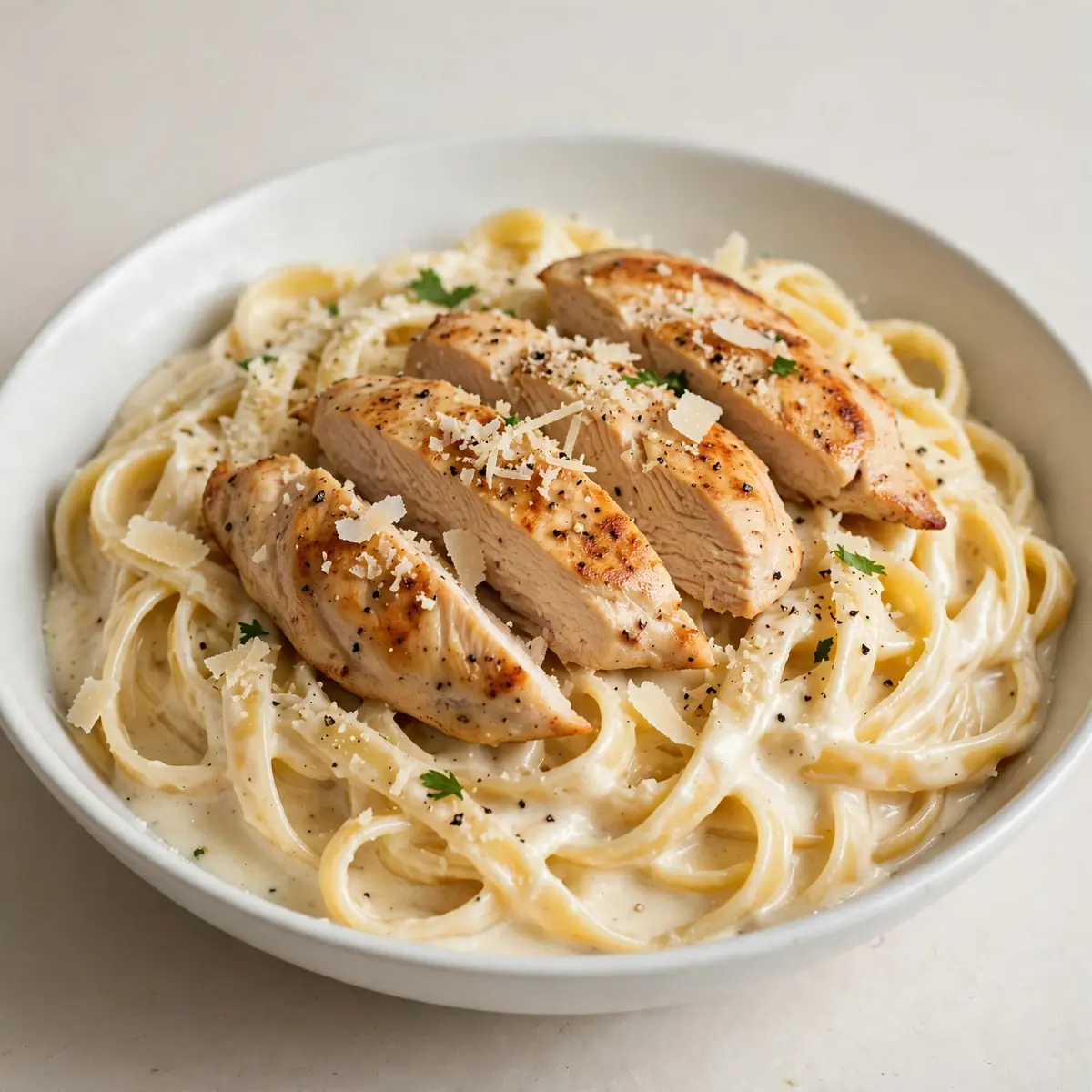
There are some meals that demand you slow down, surrender to the process, and let the kitchen become the warm, noisy heart of your home for an afternoon. This Chicken Fettuccine Alfredo is that meal for me. It’s not about speed; it’s about the ritual of browning chicken until it smells of toasted butter, the quiet satisfaction of watching cream thicken into a velvety sauce, and the final, glorious act of twirling tender pasta into a bowl that feels like a hug. Let’s spend a cosy weekend making this properly.
Recipe Overview
- Prep Time: 20 minutes
- Cook Time: 25 minutes
- Total Time: 45 minutes
- Servings: 4 generous portions
- Difficulty: Medium (requires attention to heat)
Why You’ll Love This Chicken Fettuccine Alfredo
- Pure, unadulterated comfort: This is the sort of dish that makes a grey Saturday feel golden. The sauce is rich without being heavy, coating every strand of pasta like a silken blanket.
- Real ingredients, real flavour: We are using proper Parmigiano-Reggiano, fresh cream, and good chicken. No jars, no processed cheese sauces. The taste is incomparably deeper.
- A project that rewards patience: Taking the time to sear the chicken properly and whisk the sauce slowly yields a result that feels restaurant-worthy. I make this at least once a month – it’s become a family favourite for lazy Sundays.
- Customisable to your pantry: Once you have the base sauce technique down, you can add mushrooms, peas, or even a handful of spinach. It is a brilliant canvas for what you have on hand.
- Deeply satisfying to make: There is a particular pride that comes from creating a silky, emulsified sauce from scratch. The sounds – the sizzle of chicken, the gentle bubble of cream – become a kind of kitchen meditation.
Ingredients You’ll Need
- 400g dried fettuccine
- 2 large boneless, skinless chicken breasts (about 500g total)
- 1 tsp fine sea salt, plus more for pasta water
- ½ tsp freshly ground black pepper
- 60ml olive oil, for searing
- 60g unsalted butter
- 4 cloves garlic, finely minced
- 300ml double cream
- 120g freshly grated Parmigiano-Reggiano (plus extra for serving)
- ¼ tsp freshly grated nutmeg (optional, but wonderful)
- 2 tbsp fresh parsley, finely chopped (for garnish)
- Juice of ½ a lemon (to finish)
Tip: Pre-grated cheese from a packet will not melt smoothly. For a truly silky Alfredo, buy a block of Parmigiano-Reggiano and grate it on the fine side of a box grater just before you start cooking. It makes a world of difference to the texture.
How to Make Chicken Fettuccine Alfredo
- Prepare the chicken and pasta water. Place your chicken breasts on a board and, using a sharp knife, slice them horizontally into two even cutlets. Season both sides generously with the salt and pepper. Fill a large pot with water, bring it to a rolling boil, and add a generous tablespoon of salt. The water should taste like the sea. This is your only chance to season the pasta from within.
- Sear the chicken until golden and aromatic. Heat the olive oil in a large, heavy-based frying pan over a medium-high heat. Lay the chicken cutlets in the pan, ensuring they are not touching. You should hear a confident sizzle immediately. Cook for 4-5 minutes without moving them. The underside should turn a deep, nutty brown. Flip the chicken and cook for another 3-4 minutes. The internal temperature should reach 74°C. Remove the chicken to a plate and let it rest. The aroma of browning chicken and oil is the first promise of the meal to come.
- Cook the fettuccine. Drop your fettuccine into the boiling water. Cook according to the package instructions until al dente – tender to the bite but still with a tiny white core when you bite into a strand. Reserve about 250ml of the starchy pasta water before draining. The water will look cloudy and feel slightly thick between your fingers. Do not skip this step.
- Build the sauce foundation. While the pasta cooks, reduce the heat under your frying pan to low. Add the butter. It should melt gently, not brown. Once it is foaming, add the minced garlic. Stir constantly for 30 seconds until the garlic is fragrant but not coloured. The kitchen will fill with a sweet, mellow garlic aroma.
- Create the creamy base. Pour in the double cream, stirring continuously with a wooden spoon. Scrape up any browned bits from the bottom of the pan; those are pure flavour. Let the cream come to a gentle simmer. You will see it begin to thicken slightly, coating the back of your spoon. This should take about 2 minutes.
- Incorporate the cheese. Remove the pan from the heat. Add the grated Parmigiano-Reggiano in three additions, whisking vigorously after each until completely melted. The sauce will look glossy and smooth, with a pale ivory colour. Stir in the grated nutmeg if using. If the sauce seems too thick, add a splash of the reserved pasta water to loosen it.
- Marry the pasta and sauce. Add the drained fettuccine directly to the pan of sauce. Toss everything together using tongs for about 1 minute. The pasta will absorb some of the sauce and become beautifully coated. Add a little more pasta water as needed to keep the sauce flowing and silky. You are aiming for a consistency where the sauce clings to the pasta but still pools slightly in the bottom of the bowl.
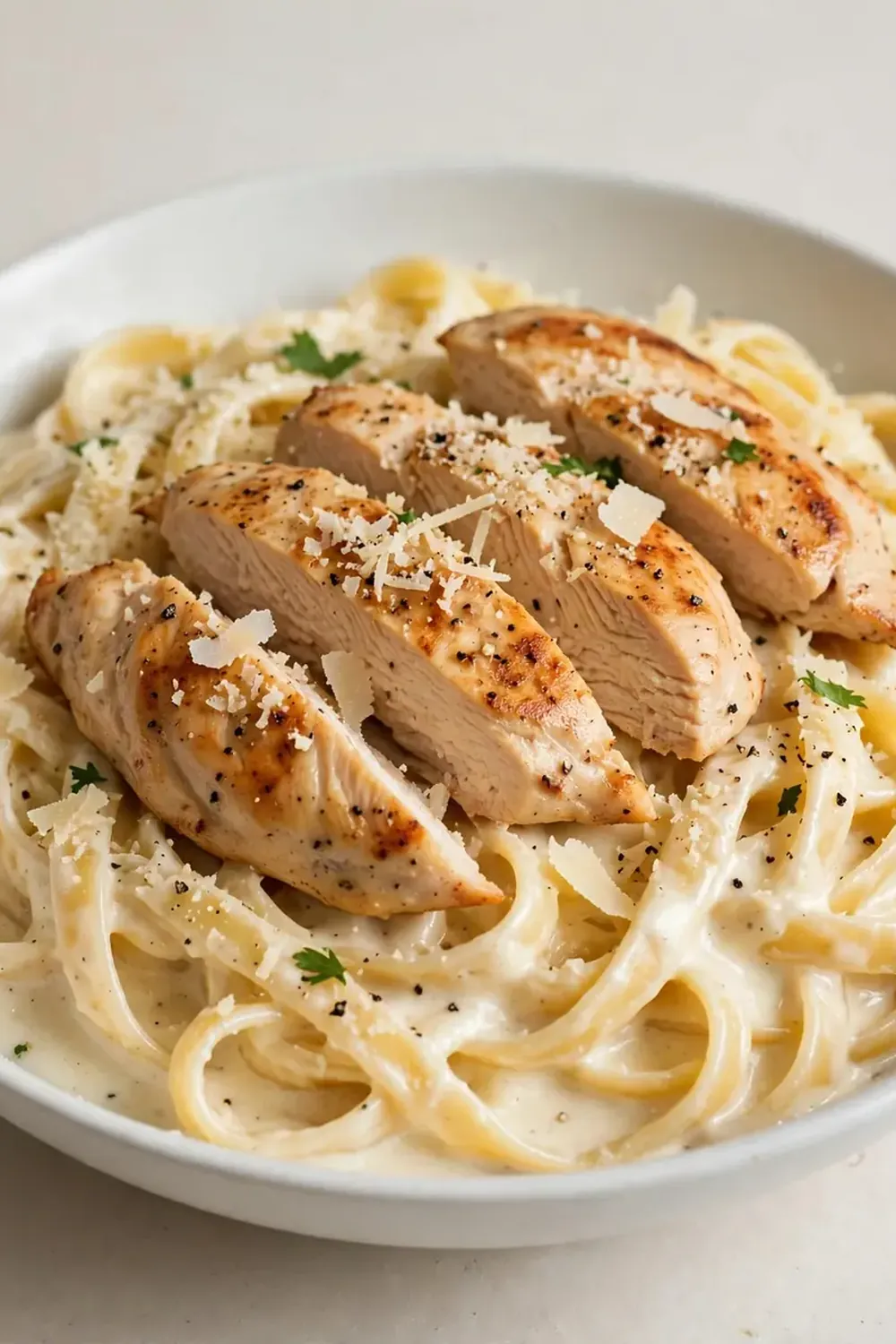
- Slice the chicken and finish the dish. Slice the rested chicken breasts against the grain into thick strips. The meat should be juicy and white all the way through. Squeeze the lemon juice over the pasta and toss once more. This brightens the entire dish, cutting through the richness. Serve immediately, topped with the sliced chicken, a generous shower of fresh parsley, and extra grated Parmigiano-Reggiano.
Tips From My Kitchen
- Grate your own cheese, always: Pre-shredded cheese is coated with cellulose and starches to prevent clumping. These additives prevent the cheese from melting into a smooth emulsion. When you grate a block of Parmigiano-Reggiano yourself, the proteins and fats melt uniformly, creating a sauce that is glossy and unctuous rather than grainy.
- Weigh your pasta water salt: A generous tablespoon of salt in a large pot of water is not just for flavour. The salt helps the pasta cook more evenly and seasons it from the inside out. Undersalting the water is the most common reason for bland pasta. The water should taste briny, like a light broth.
- Rest the chicken before slicing: If you slice the chicken immediately after searing, all the juices will run out onto the board, leaving you with dry meat. Resting the chicken for at least 5 minutes allows the juices to redistribute throughout the meat, ensuring every bite is moist and tender. The colour of the rested chicken should be an even, creamy white.
- Reserve more pasta water than you think you need: The starchy water is the secret weapon of any great pasta dish. It not only loosens the sauce but also helps it cling to the fettuccine. The starch acts as a natural emulsifier, binding the cream and cheese together. If your sauce tightens up as it sits, a splash of this water brings it back to life.
- Cook the sauce on low heat: High heat is the enemy of a smooth Alfredo. If the cream boils too aggressively, it can split, leaving you with a greasy, separated mess. Keep the heat low and steady. You want gentle bubbles around the edges of the pan, not a rolling boil. The sound should be a soft murmur, not a frantic sputter.
Equipment You’ll Need
- Large frying pan or skillet (preferably heavy-based for even heat)
- Sharp knife and cutting board
- Large pot for pasta
- Mixing bowls (for resting chicken and holding ingredients)
- Wooden spoon or spatula
- Tongs for tossing the pasta
- Box grater (for the cheese)
- Meat thermometer (optional but helpful)
Common Mistakes to Avoid
- Overcrowding the pan: When you sear the chicken, the pan must be hot and the pieces must have space. If you crowd the pan, the chicken will steam rather than sear. This prevents the formation of those deep, brown, flavour-packed bits on the pan’s surface. Cook the chicken in two batches if necessary. You will hear a vigorous sizzle if the pan is properly hot.
- Wrong temperature for the sauce: As mentioned, high heat is a disaster for cream. It can cause the sauce to split and become grainy. Keep the heat on low. If you see the cream forming small, curd-like lumps, you have gone too hot. Immediately remove the pan from the heat and whisk in a splash of cold milk or pasta water to try and bring it back together.
- Skipping the rest time for the chicken: I cannot overstate this. If you cut into the chicken straight from the pan, the juices will flood out, leaving the meat dry and stringy. The colour of a properly rested chicken breast is uniformly white and moist. The five minutes you wait are the difference between a good dish and a great one.
Delicious Variations to Try
- Spicy Version: Add ½ teaspoon of red chilli flakes to the butter along with the garlic. For an extra layer of warmth, finish the dish with a drizzle of chilli-infused olive oil. The heat cuts through the richness beautifully and adds a lovely tingle on the tongue.
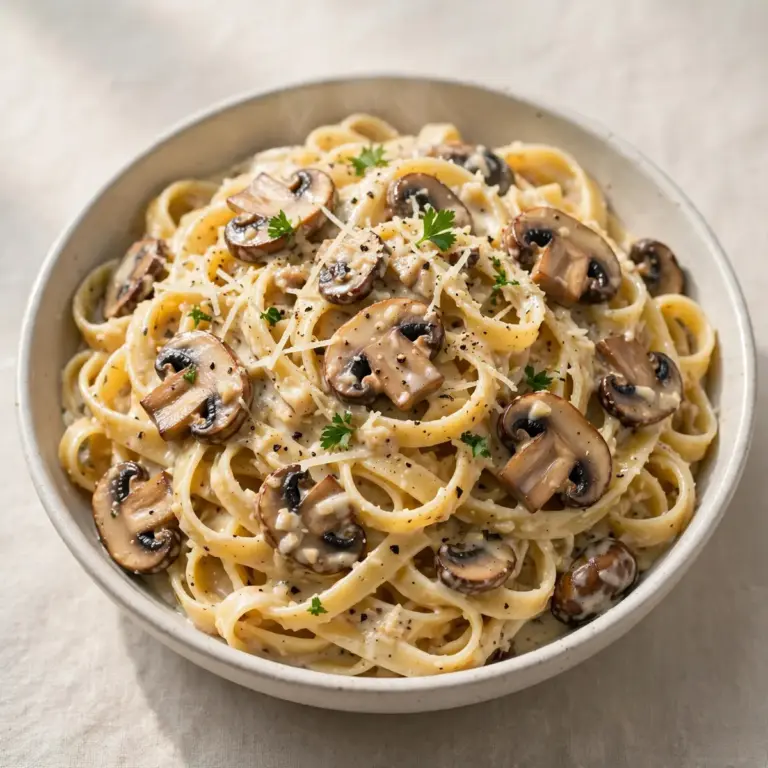
- Vegetarian Option: Omit the chicken entirely. Instead, sear 250g of halved chestnut mushrooms in a little butter and oil until they are deeply browned and shrunken. Add them to the sauce just before tossing with the pasta. The earthy flavour of the mushrooms is a perfect partner for the creamy sauce. For a vegan version, use a high-quality oat or cashew cream and a plant-based hard cheese alternative.
- Different Protein: This recipe works wonderfully with thinly sliced beef steak (such as sirloin or rump). Sear the steak to your liking, let it rest, and slice it against the grain. Alternatively, cooked and shredded chicken thighs offer a richer, more succulent texture than breasts.
What to Serve With Chicken Fettuccine Alfredo
A dish this rich needs simple, fresh accompaniments to balance it. Here are my favourite pairings:
- A crisp green salad: Tossed with a simple lemon vinaigrette. The acidity cuts through the creaminess of the pasta.
- Garlic bread or a crusty baguette: Essential for mopping up every last drop of sauce from the bowl.
- Steamed or roasted green vegetables: Tenderstem broccoli or fine green beans, simply seasoned with salt and a squeeze of lemon, add a necessary freshness.
If you enjoy this sort of cosy, weekend cooking project, you might also love my Cosy Weekend Creamy Pesto Chicken Pasta Bake or the lighter, brighter Pasta With Zucchini And Ricotta for a different take on creamy pasta.
Still hungry for ideas? You might also love Chicken Alfredo Monkey Bread, Chicken Alfredo Meatball Subs Recipe Lunch from our sister kitchens.
Frequently Asked Questions
Chicken Fettuccine Alfredo
Ingredients
Method
- Prepare the chicken and pasta water. Place your chicken breasts on a board and, using a sharp knife, slice them horizontally into two even cutlets. Season both sides generously with the salt and pepper. Fill a large pot with water, bring it to a rolling boil, and add a generous tablespoon of salt. The water should taste like the sea. This is your only chance to season the pasta from within.
- Sear the chicken until golden and aromatic. Heat the olive oil in a large, heavy-based frying pan over a medium-high heat. Lay the chicken cutlets in the pan, ensuring they are not touching. You should hear a confident sizzle immediately. Cook for 4-5 minutes without moving them. The underside should turn a deep, nutty brown. Flip the chicken and cook for another 3-4 minutes. The internal temperature should reach 74°C. Remove the chicken to a plate and let it rest. The aroma of browning chicken and oil is the first promise of the meal to come.
- Cook the fettuccine. Drop your fettuccine into the boiling water. Cook according to the package instructions until al dente – tender to the bite but still with a tiny white core when you bite into a strand. Reserve about 250ml of the starchy pasta water before draining. The water will look cloudy and feel slightly thick between your fingers. Do not skip this step.
- Build the sauce foundation. While the pasta cooks, reduce the heat under your frying pan to low. Add the butter. It should melt gently, not brown. Once it is foaming, add the minced garlic. Stir constantly for 30 seconds until the garlic is fragrant but not coloured. The kitchen will fill with a sweet, mellow garlic aroma.
- Create the creamy base. Pour in the double cream, stirring continuously with a wooden spoon. Scrape up any browned bits from the bottom of the pan; those are pure flavour. Let the cream come to a gentle simmer. You will see it begin to thicken slightly, coating the back of your spoon. This should take about 2 minutes.
- Incorporate the cheese. Remove the pan from the heat. Add the grated Parmigiano-Reggiano in three additions, whisking vigorously after each until completely melted. The sauce will look glossy and smooth, with a pale ivory colour. Stir in the grated nutmeg if using. If the sauce seems too thick, add a splash of the reserved pasta water to loosen it.
- Marry the pasta and sauce. Add the drained fettuccine directly to the pan of sauce. Toss everything together using tongs for about 1 minute. The pasta will absorb some of the sauce and become beautifully coated. Add a little more pasta water as needed to keep the sauce flowing and silky. You are aiming for a consistency where the sauce clings to the pasta but still pools slightly in the bottom of the bowl.
- Slice the chicken and finish the dish. Slice the rested chicken breasts against the grain into thick strips. The meat should be juicy and white all the way through. Squeeze the lemon juice over the pasta and toss once more. This brightens the entire dish, cutting through the richness. Serve immediately, topped with the sliced chicken, a generous shower of fresh parsley, and extra grated Parmigiano-Reggiano.
Notes
There you have it – my weekend project for a truly soul-warming Chicken Fettuccine Alfredo. It is a dish that asks for your attention and rewards it generously. I hope you find the same joy I do in the gentle sizzle of the chicken and the quiet alchemy of cream and cheese becoming something so much more than the sum of its parts. If you give this a try, I’d love to hear how you got on. Tell me about the aromas that filled your kitchen, or any little tweaks you made to make it your own. Drop a comment below and let’s keep the conversation going.