Cozy Weekend Pesto Cavatappi with Roasted Cherry Tomatoes
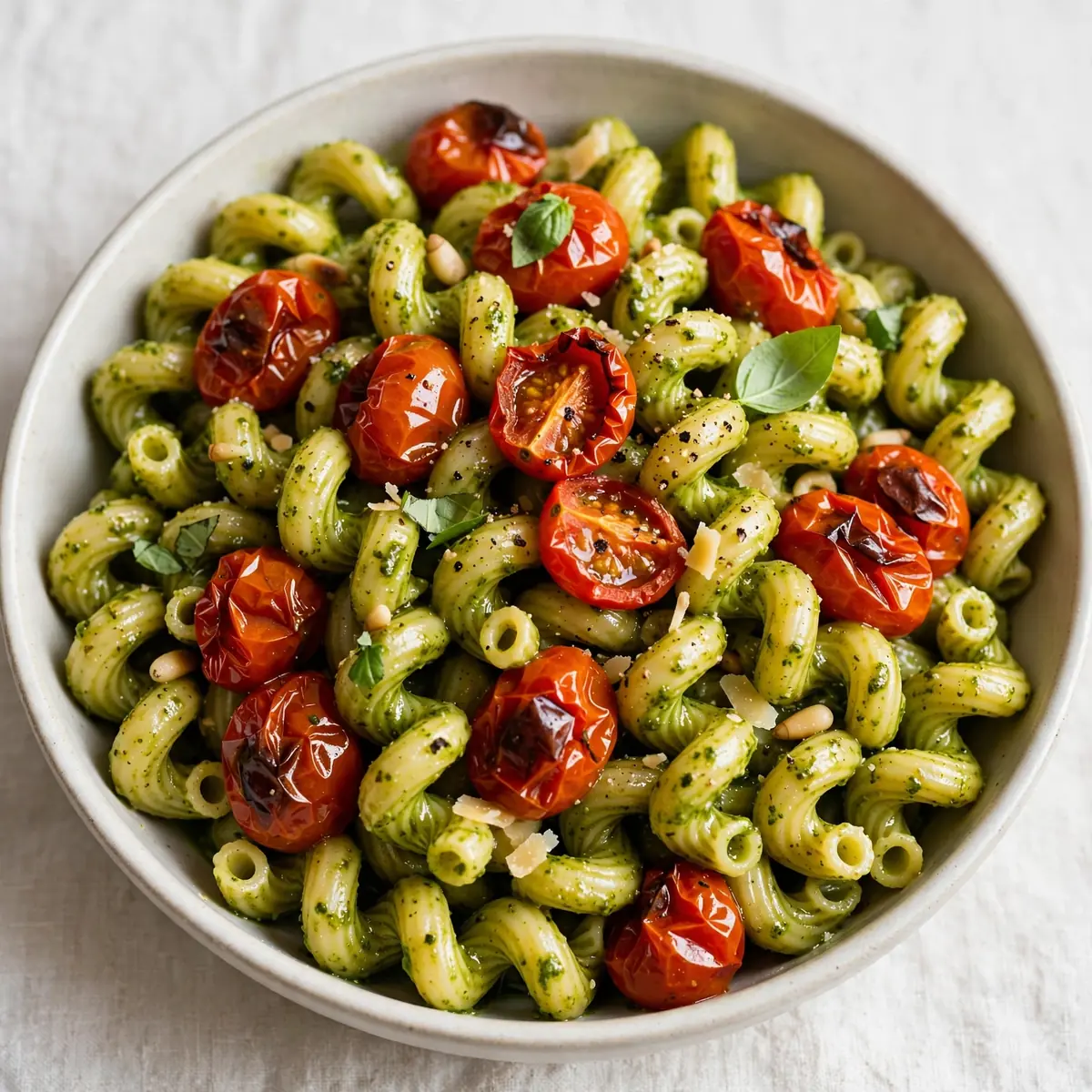
There are some Saturdays that simply call for a proper kitchen project, one that fills the house with the scent of garlic and basil and feels like an act of quiet, deliberate care. This Pesto Cavatappi with Roasted Cherry Tomatoes is exactly that for me — a weekend ritual that transforms a handful of humble ingredients into a deeply satisfying meal, and I stumbled upon this combination by accident, and it’s been a hit ever since.
Recipe Overview
- Prep Time: 15 minutes
- Cook Time: 25 minutes
- Total Time: 40 minutes
- Servings: 4 generous portions
- Difficulty: Easy — perfect for a relaxed weekend cook
Why You’ll Love This Pesto Cavatappi with Roasted Cherry Tomatoes
- The aroma alone is worth the effort. As the tomatoes blister in the oven and the pesto warms through, your kitchen becomes the cosiest place in the house.
- It’s a one-pan wonder for the sauce. The roasted tomatoes and pesto come together in the same pan you cook the pasta in, meaning less washing up and more time on the sofa.
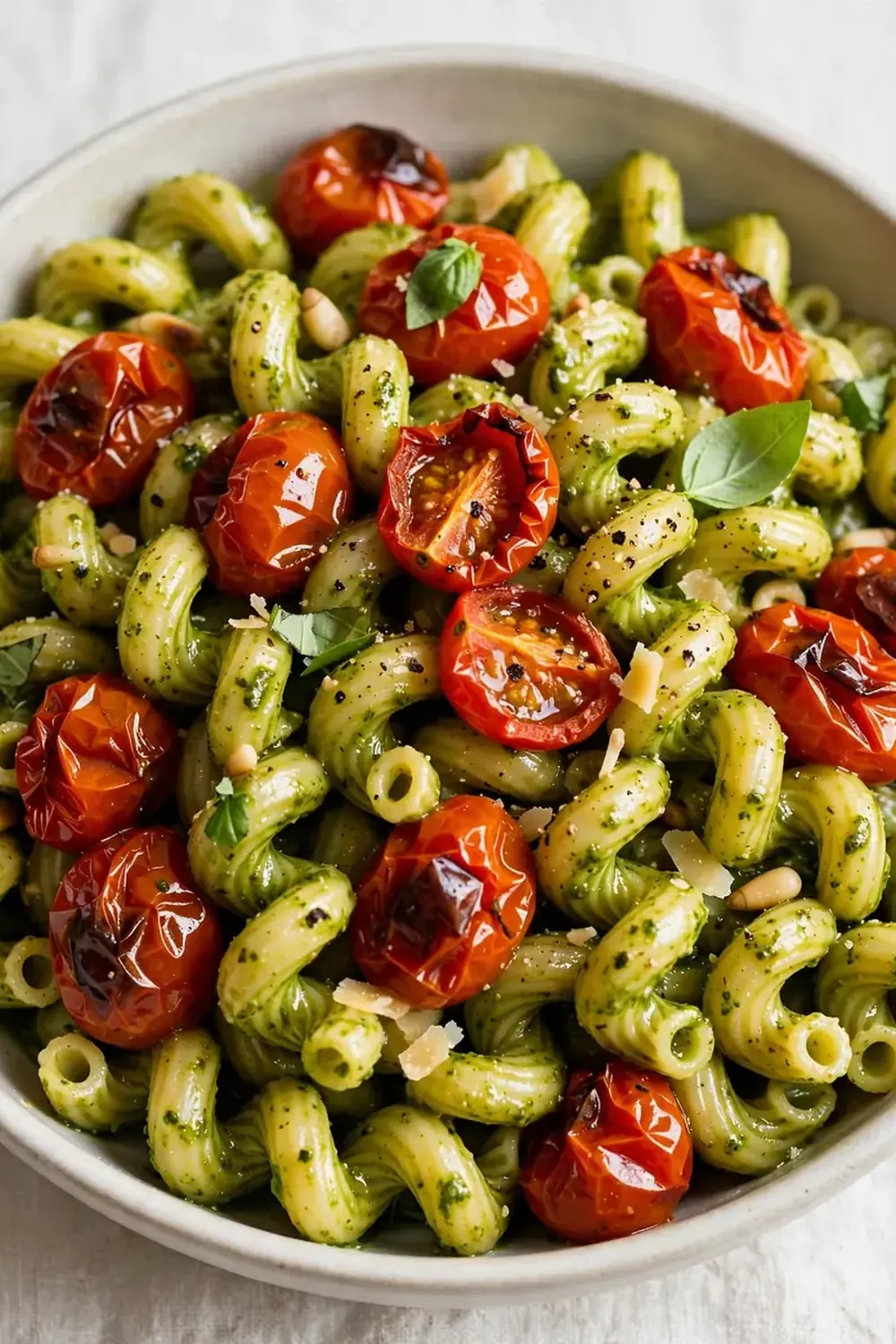
- The texture is pure joy. The cavatappi’s spirals catch every bit of the glossy sauce, while the sweet, jammy tomatoes burst against the creamy pesto.
- It feels indulgent without being heavy. The richness comes from good olive oil and nuts, not cream, leaving you satisfied but not sluggish.
- It’s endlessly adaptable. You can add a handful of spinach, some grilled chicken, or toasted pine nuts depending on what you have to hand.
Ingredients You’ll Need
- 500g cherry tomatoes, halved
- 4 tablespoons extra virgin olive oil, divided
- 3 cloves garlic, thinly sliced
- 1 teaspoon flaky sea salt, plus more for pasta water
- ½ teaspoon black pepper
- 350g cavatappi pasta (or any short, curly pasta)
- 150g good-quality basil pesto (shop-bought or homemade)
- 50g freshly grated Parmesan cheese
- Juice of ½ lemon
- Small handful fresh basil leaves, for garnish
- Optional: 100g toasted pine nuts or walnuts
Tip: For the best flavour, use a pesto made with extra virgin olive oil and real Parmesan — check the label to avoid cheaper oils that can turn bitter when heated.
How to Make Pesto Cavatappi with Roasted Cherry Tomatoes
- Preheat the oven to 200°C (180°C fan). While it heats, halve the cherry tomatoes and arrange them cut-side up on a baking tray lined with parchment. Drizzle with 2 tablespoons of olive oil, scatter the sliced garlic over the top, and season with salt and pepper. The garlic should look pale and fragrant, not burnt.
- Roast the tomatoes for 20-25 minutes. You’ll know they’re ready when the edges begin to caramelise and wrinkle, and the kitchen smells sweet and intense. The tomatoes should be soft to the touch but still hold their shape — a slight char on the cut edges is exactly what you want.
- Meanwhile, bring a large pot of salted water to a rolling boil. The water should taste like the sea — about 1 tablespoon of salt per 4 litres. Add the cavatappi and cook according to package directions until al dente, usually 9-11 minutes. The pasta should be tender but with a firm bite at the centre.
- Reserve 250ml of pasta water before draining. This starchy liquid is the secret to a silky sauce that clings to every spiral. Drain the pasta and set it aside in the colander, giving it a gentle shake to remove excess water.
- In the same large frying pan or skillet you’ll use for the sauce, warm the remaining 2 tablespoons of olive oil over medium heat. The oil should shimmer, not smoke. Add the roasted tomatoes and garlic, scraping up any caramelised bits from the tray — that’s pure flavour.
- Reduce the heat to low and stir in the pesto. Watch it as it warms through; the colour will deepen from bright green to a more muted, earthy shade, and the aroma of basil and cheese will fill the air. Add 100ml of the reserved pasta water and stir until the sauce is loose and glossy.
- Add the drained cavatappi to the pan and toss everything together using tongs or a wooden spoon. The pasta should be fully coated in the green sauce, with the roasted tomatoes nestled among the spirals. If the sauce seems too thick, add a splash more pasta water — you’re looking for a consistency that coats the pasta without pooling at the bottom of the pan.
- Remove from the heat and stir in the grated Parmesan and lemon juice. The cheese will melt into the sauce, making it even creamier. Taste and adjust seasoning — you may want a pinch more salt or a squeeze of extra lemon to brighten it up.
- Let the pasta rest for 2 minutes before serving. This brief pause allows the flavours to meld and the sauce to settle into the pasta’s curves. Garnish with fresh basil leaves and, if using, toasted pine nuts for a little crunch.
Tips From My Kitchen
- Don’t skip the pasta water. The starch in the water helps the pesto and olive oil emulsify into a creamy sauce without needing any cream. Add it gradually — you can always add more, but you can’t take it away.
- Roast the tomatoes cut-side up. This allows the heat to concentrate the juices rather than steaming them, giving you those sweet, jammy bursts. If they’re crowded or face-down, they’ll stew and become watery.
- Use a good-quality pesto. Since pesto is the backbone of this dish, its flavour matters enormously. Look for one where basil and olive oil are the first two ingredients, and avoid anything with a long list of additives or preservatives.
- Toast your nuts separately. If you’re adding pine nuts or walnuts, toast them in a dry pan over medium heat for 2-3 minutes, shaking frequently, until they smell fragrant and are lightly golden. They burn quickly, so keep a close eye on them.
- Save some tomatoes for the top. Before mixing all the tomatoes into the pasta, set aside a few of the most caramelised ones to scatter over each serving — it makes the dish look as lovely as it tastes.
Equipment You’ll Need
- Large frying pan or skillet (at least 30cm wide)
- Sharp knife and cutting board
- Baking tray and parchment paper
- Large pot for boiling pasta
- Mixing bowls
- Wooden spoon or spatula
Common Mistakes to Avoid
- Overcrowding the pan: When you add the cooked pasta to the sauce, make sure your pan is large enough to toss everything without spilling. An overcrowded pan steams rather than coats, leaving you with clumps of pasta stuck together. Use a wide skillet or work in two batches if needed.
- Wrong temperature: When warming the pesto, keep the heat low. High heat can cause the basil to turn bitter and the oil to separate, leaving you with a greasy, unappealing sauce. Gentle heat is your friend here — the pesto should just be warmed through, not fried.
- Skipping the rest time: Those two minutes off the heat are crucial. They allow the pasta to absorb some of the sauce and the flavours to marry together. Serve immediately and you’ll have a dish that tastes good; wait two minutes and it tastes complete.
What to Serve With Pesto Cavatappi with Roasted Cherry Tomatoes
- A simple green salad with lemon vinaigrette to cut through the richness
- Grilled chicken thighs or roasted salmon for extra protein
- Warm crusty bread to mop up any remaining sauce from the bowl
- A side of roasted vegetables like courgette or aubergine for a heartier meal
Still hungry for ideas? You might also love Roasted Tomatoes Burrata Balsamic Dish, Fresh Corn Pasta Cherry Tomatoes from our sister kitchens.
Frequently Asked Questions
Pesto Cavatappi with Roasted Cherry Tomatoes
Ingredients
Method
- Preheat the oven to 200°C (180°C fan). While it heats, halve the cherry tomatoes and arrange them cut-side up on a baking tray lined with parchment. Drizzle with 2 tablespoons of olive oil, scatter the sliced garlic over the top, and season with salt and pepper. The garlic should look pale and fragrant, not burnt.
- Roast the tomatoes for 20-25 minutes. You'll know they're ready when the edges begin to caramelise and wrinkle, and the kitchen smells sweet and intense. The tomatoes should be soft to the touch but still hold their shape — a slight char on the cut edges is exactly what you want.
- Meanwhile, bring a large pot of salted water to a rolling boil. The water should taste like the sea — about 1 tablespoon of salt per 4 litres. Add the cavatappi and cook according to package directions until al dente, usually 9-11 minutes. The pasta should be tender but with a firm bite at the centre.
- Reserve 250ml of pasta water before draining. This starchy liquid is the secret to a silky sauce that clings to every spiral. Drain the pasta and set it aside in the colander, giving it a gentle shake to remove excess water.
- In the same large frying pan or skillet you'll use for the sauce, warm the remaining 2 tablespoons of olive oil over medium heat. The oil should shimmer, not smoke. Add the roasted tomatoes and garlic, scraping up any caramelised bits from the tray — that's pure flavour.
- Reduce the heat to low and stir in the pesto. Watch it as it warms through; the colour will deepen from bright green to a more muted, earthy shade, and the aroma of basil and cheese will fill the air. Add 100ml of the reserved pasta water and stir until the sauce is loose and glossy.
- Add the drained cavatappi to the pan and toss everything together using tongs or a wooden spoon. The pasta should be fully coated in the green sauce, with the roasted tomatoes nestled among the spirals. If the sauce seems too thick, add a splash more pasta water — you're looking for a consistency that coats the pasta without pooling at the bottom of the pan.
- Remove from the heat and stir in the grated Parmesan and lemon juice. The cheese will melt into the sauce, making it even creamier. Taste and adjust seasoning — you may want a pinch more salt or a squeeze of extra lemon to brighten it up.
- Let the pasta rest for 2 minutes before serving. This brief pause allows the flavours to meld and the sauce to settle into the pasta's curves. Garnish with fresh basil leaves and, if using, toasted pine nuts for a little crunch.
Notes
I’d love to hear how this weekend project turns out in your kitchen — drop a comment below and let me know if the aromas lured anyone else into the kitchen while you were cooking. For another cosy meal that feels like a proper treat, you might enjoy this Cozy Weekend Turkey And Black Bean Taco Salad or a lighter option like No Bake Pasta Salad Chickpeas for those busier days.