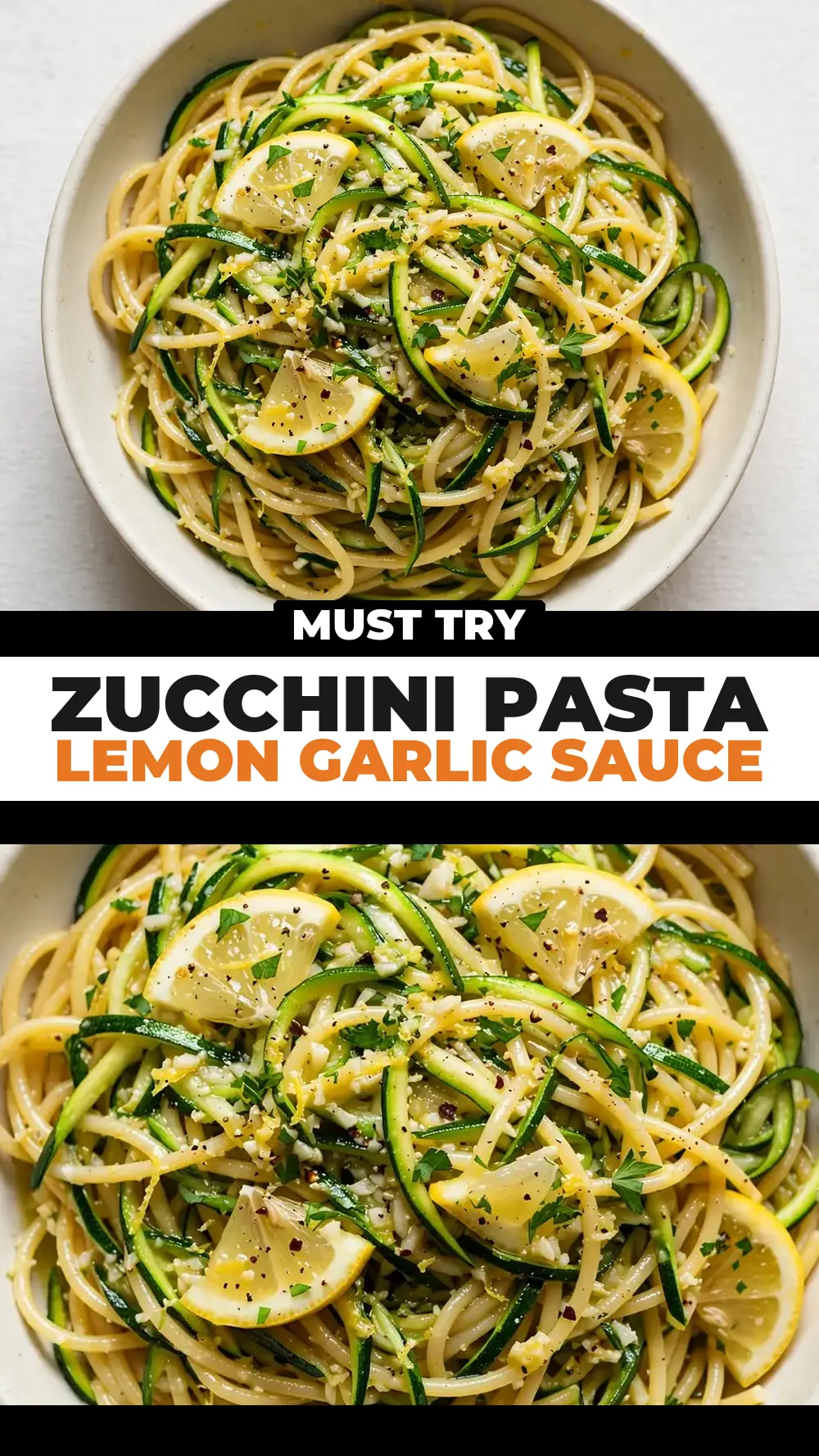
Zucchini Pasta Lemon Garlic Sauce
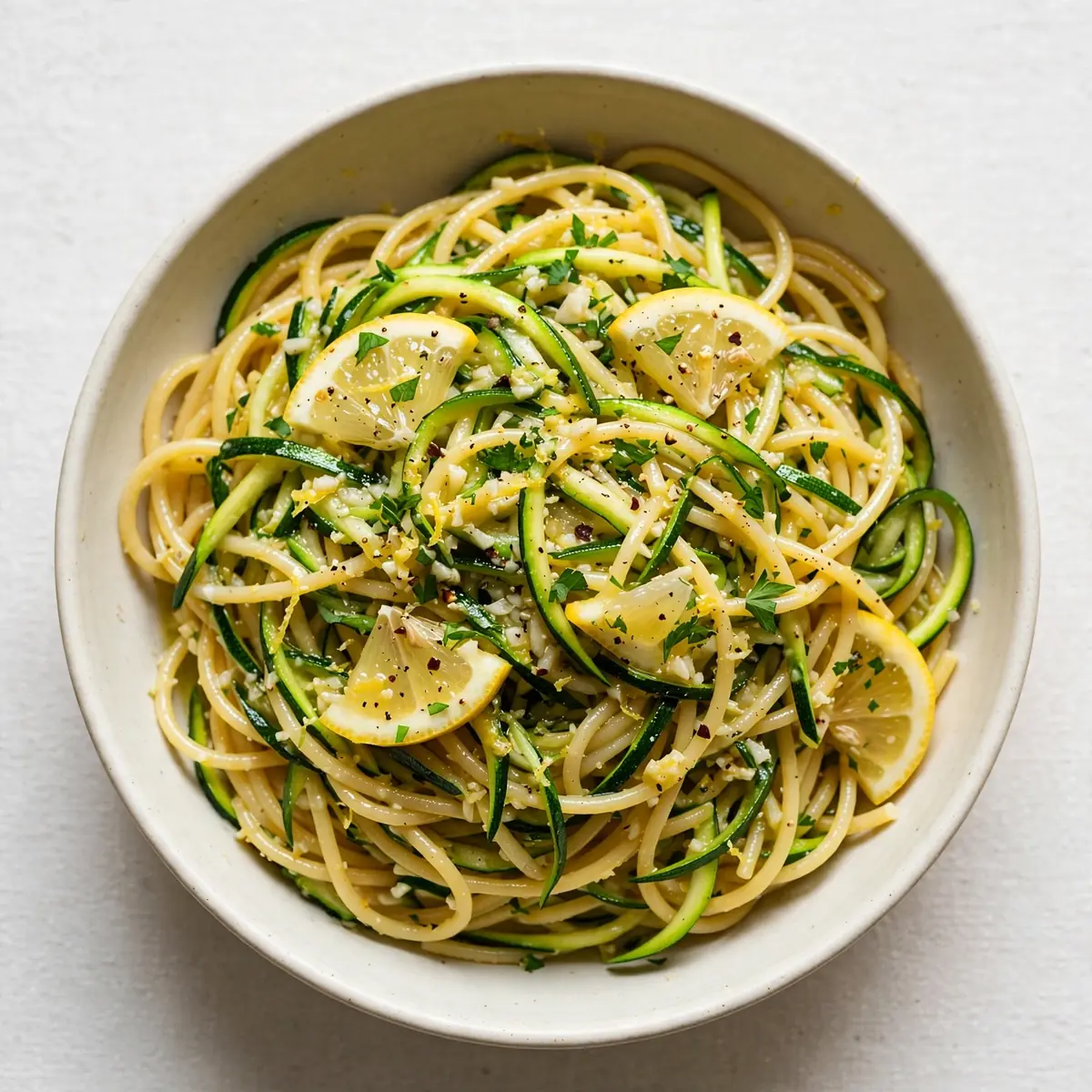
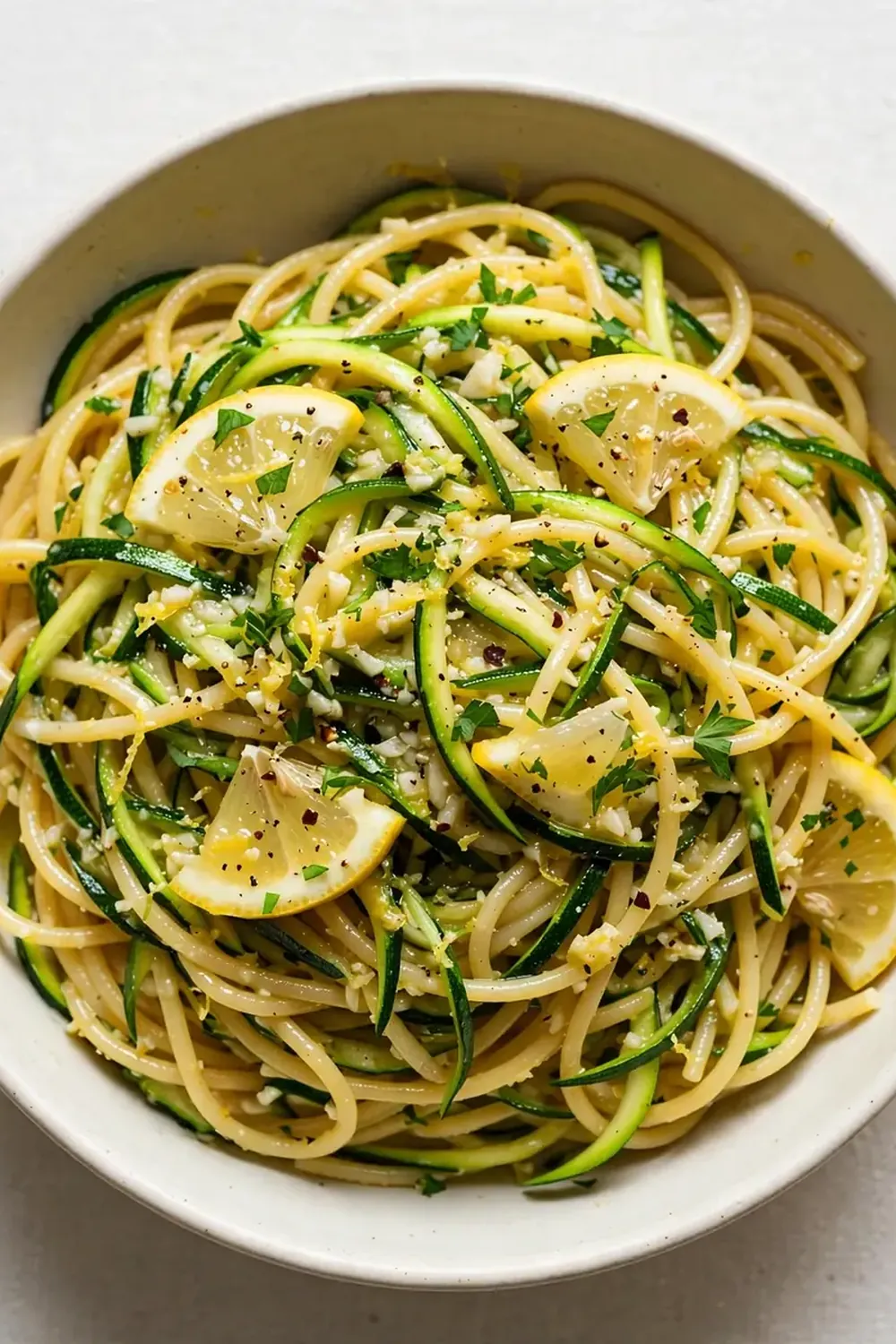
There are some weekend afternoons that simply call for a project in the kitchen; a slow, deliberate process that fills the house with promise and quiets the mind. For me, that project is a bowl of zucchini pasta with a lemon garlic sauce, a dish that transforms humble ingredients into something deeply satisfying without demanding you rush a single step.
Recipe Overview
- Prep Time: 20 minutes
- Cook Time: 15 minutes
- Total Time: 35 minutes
- Servings: 4
- Difficulty: Easy
Why You’ll Love This Zucchini Pasta Lemon Garlic Sauce
- The aroma alone is worth it. As the garlic hits the warm oil, the whole kitchen becomes a cosy haven of savoury promise.
- It respects the season. This recipe lets fresh zucchini shine, turning an often-overlooked vegetable into the star of the show.
- Balanced, bright flavours. The rich, nutty garlic base is lifted by a sharp hit of lemon, creating a sauce that clings to every strand of pasta.
- No heavy cream needed. The sauce achieves a silky, luxurious texture using pasta water and a simple technique, keeping the dish light yet indulgent.
- A true weekend ritual. From prepping the zucchini to grating the cheese, each step is a small, mindful act that makes the final bowl taste all the more earned.
Ingredients You’ll Need
- 400g dried spaghetti or linguine
- 3 medium courgettes (zucchini), about 500g total
- 4 large cloves of garlic, finely sliced
- 60ml extra virgin olive oil
- 1 large unwaxed lemon, zest and juice
- 50g finely grated Parmesan cheese, plus extra for serving
- ½ teaspoon chilli flakes (optional, for warmth)
- Salt and freshly ground black pepper
- 1 tablespoon unsalted butter
- Small handful of fresh basil leaves, torn
- Pasta water, reserved (about 250ml)
Tip: Use the finest side of your box grater for the Parmesan; pre-grated shop-bought cheese won’t melt into the sauce with the same silky smoothness.
How to Make Zucchini Pasta Lemon Garlic Sauce
- Prepare the courgettes. Trim the ends off your courgettes and slice them into thin ribbons using a vegetable peeler, stopping when you reach the seedy core. You want long, flat ribbons that will mimic the pasta. You should hear a satisfying, clean slice as the peeler runs through the firm flesh. Set the ribbons aside on a clean tea towel to draw out any excess moisture.
- Start the pasta water. Fill a large pot with water, bring it to a rolling boil over high heat, and season it generously with salt until it tastes like the sea. The water should be bubbling fiercely, sending steam billowing up into your kitchen.
- Begin the sauce base. While the water comes to a boil, place a large, deep frying pan over medium-low heat. Add the olive oil and the sliced garlic. Let the garlic gently sizzle for 2-3 minutes; you want it to turn a pale gold and smell nutty and sweet, not sharp or burnt. The moment you catch that first whiff of toasted garlic, you know you’re on the right track.
- Cook the pasta. Drop the spaghetti into the boiling water and cook it for 2 minutes less than the packet suggests for al dente. Stir it once so the strands don’t stick. The pasta should feel firm and have a distinct white core when you bite into it.
- Wilt the courgette ribbons. Add the courgette ribbons to the garlic oil and toss them gently. Let them cook for just 60-90 seconds, until they soften and turn a vibrant, glossy green. They should begin to release a faint, grassy aroma. Do not overcook them; you want them to retain a little bite.
- Bring it all together. Using tongs, transfer the undercooked pasta directly from the pot into the frying pan with the courgettes, letting a little pasta water cling to it. Add a ladleful (about 100ml) of the starchy pasta water to the pan and increase the heat to medium-high. Toss everything vigorously for 1-2 minutes, until the water and oil emulsify into a creamy, opaque sauce that coats the pasta. The sound should change from a wet splashing to a smooth, slick coating sound.
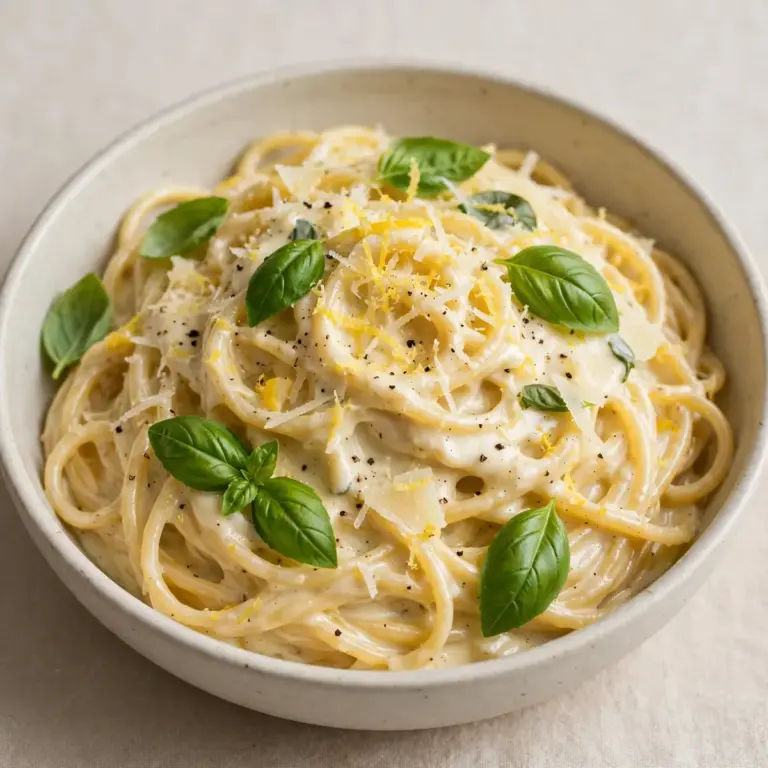
- Finish the sauce. Remove the pan from the heat. Grate in the lemon zest, squeeze in the lemon juice, and add the butter and grated Parmesan. Toss the pasta again with conviction—the residual heat will melt the cheese and butter into a luscious, silky sauce. The colour will shift to a pale, buttery yellow. Taste a strand of pasta; it should be tender but still offer some resistance.
- Serve immediately. Divide the pasta among warm bowls, making sure to get plenty of courgette ribbons and sauce on each plate. Finish with a scattering of torn basil, a crack of black pepper, and a final snowfall of extra Parmesan. The steam rising from the bowl should smell of garlic, lemon, and fresh basil.
Tips From My Kitchen
- Salt the pasta water like the sea. This is your only chance to season the pasta from the inside out. The water should taste distinctly salty, almost briny. This foundational flavour is what makes the final dish taste seasoned and balanced, not flat.
- Reserve more pasta water than you think you’ll need. The starchy water is the secret to a glossy, emulsified sauce that clings to every strand. I always keep a full mug (about 250ml) on standby. If your sauce looks dry or clumpy, a splash more water will bring it back to life.
- Never let the garlic brown. Garlic burns in seconds, turning bitter and acrid. Keep the heat low and the oil warm, not hot. The garlic should be fragrant and soft, looking like pale golden petals. If it turns a deep brown or smells sharp, start again—it will ruin the entire dish.
- Use a vegetable peeler for the courgettes. After testing this recipe five times, I finally got it just right. A knife can make the ribbons too thick, causing them to release too much water and turn the sauce watery. A Y-shaped peeler gives you thin, even ribbons that cook in under a minute.
- Finish the pasta in the sauce, not the other way around. I used to struggle with this dish until I discovered this technique. By transferring the undercooked pasta directly into the frying pan and tossing it with the sauce over heat, the pasta absorbs the flavours and the starches help thicken the sauce. This creates a cohesive, restaurant-quality dish.
- Let the pan rest off the heat before adding the cheese. High heat can cause the Parmesan to clump into a stringy mess instead of melting into a smooth sauce. The residual warmth of the pasta and the pan is more than enough to melt the cheese gently and evenly.
Delicious Variations to Try
- Spicy Version: For a fiery kick, add a full teaspoon of chilli flakes along with the garlic in step 3. Alternatively, stir in a spoonful of Spicy Calabrian Chili Pasta Summer paste at the end for a complex, fruity heat that lingers.
- Vegetarian/Vegan Option: Omit the Parmesan and butter entirely. Use a high-quality nutritional yeast (about 2 tablespoons) for a cheesy, savoury depth, and finish with a drizzle of good extra-virgin olive oil for richness. The lemon and garlic will still shine brightly.
- Different Protein: For a heartier meal, add shredded roast chicken or pan-seared prawns. Toss them in with the courgettes in step 5 so they warm through. For a different take, try the Grilled Chicken Pasta Salad Easy approach, but use the lemon garlic sauce from this recipe.
What to Serve With Zucchini Pasta Lemon Garlic Sauce
- A simple green salad with a sharp vinaigrette to cut through the richness.
- Crusty sourdough bread, warmed, for sopping up every last drop of sauce from the bowl.
- A side of roasted cherry tomatoes, like those in Fresh Corn Pasta Cherry Tomatoes, for a burst of sweetness.
Still hungry for ideas? You might also love Creamy Garlic Pasta Recipe, Chicken Shawarma With Creamy Garlic Sauce from our sister kitchens.
Frequently Asked Questions
zucchini pasta lemon garlic sauce
Ingredients
Method
-
Prepare the courgettes. Trim the ends off your courgettes and slice them into thin ribbons using a vegetable peeler, stopping when you reach the seedy core. You want long, flat ribbons that will mimic the pasta. You should hear a satisfying, clean slice as the peeler runs through the firm flesh. Set the ribbons aside on a clean tea towel to draw out any excess moisture.
-
Start the pasta water. Fill a large pot with water, bring it to a rolling boil over high heat, and season it generously with salt until it tastes like the sea. The water should be bubbling fiercely, sending steam billowing up into your kitchen.
-
Begin the sauce base. While the water comes to a boil, place a large, deep frying pan over medium-low heat. Add the olive oil and the sliced garlic. Let the garlic gently sizzle for 2-3 minutes; you want it to turn a pale gold and smell nutty and sweet, not sharp or burnt. The moment you catch that first whiff of toasted garlic, you know you’re on the right track.
-
Cook the pasta. Drop the spaghetti into the boiling water and cook it for 2 minutes less than the packet suggests for al dente. Stir it once so the strands don’t stick. The pasta should feel firm and have a distinct white core when you bite into it.
-
Wilt the courgette ribbons. Add the courgette ribbons to the garlic oil and toss them gently. Let them cook for just 60-90 seconds, until they soften and turn a vibrant, glossy green. They should begin to release a faint, grassy aroma. Do not overcook them; you want them to retain a little bite.
-
Bring it all together. Using tongs, transfer the undercooked pasta directly from the pot into the frying pan with the courgettes, letting a little pasta water cling to it. Add a ladleful (about 100ml) of the starchy pasta water to the pan and increase the heat to medium-high. Toss everything vigorously for 1-2 minutes, until the water and oil emulsify into a creamy, opaque sauce that coats the pasta. The sound should change from a wet splashing to a smooth, slick coating sound.
-
Finish the sauce. Remove the pan from the heat. Grate in the lemon zest, squeeze in the lemon juice, and add the butter and grated Parmesan. Toss the pasta again with conviction—the residual heat will melt the cheese and butter into a luscious, silky sauce. The colour will shift to a pale, buttery yellow. Taste a strand of pasta; it should be tender but still offer some resistance.
-
Serve immediately. Divide the pasta among warm bowls, making sure to get plenty of courgette ribbons and sauce on each plate. Finish with a scattering of torn basil, a crack of black pepper, and a final snowfall of extra Parmesan. The steam rising from the bowl should smell of garlic, lemon, and fresh basil.
Notes
I truly hope this bowl of sunshine brings as much quiet joy to your kitchen as it has to mine. If you give this zucchini pasta with lemon garlic sauce a try, I’d love to hear how it turned out for you—did the aromas fill your home just as you hoped? Drop a comment below and share your own weekend cooking ritual.