No Cook Fresh Tomato Sauce
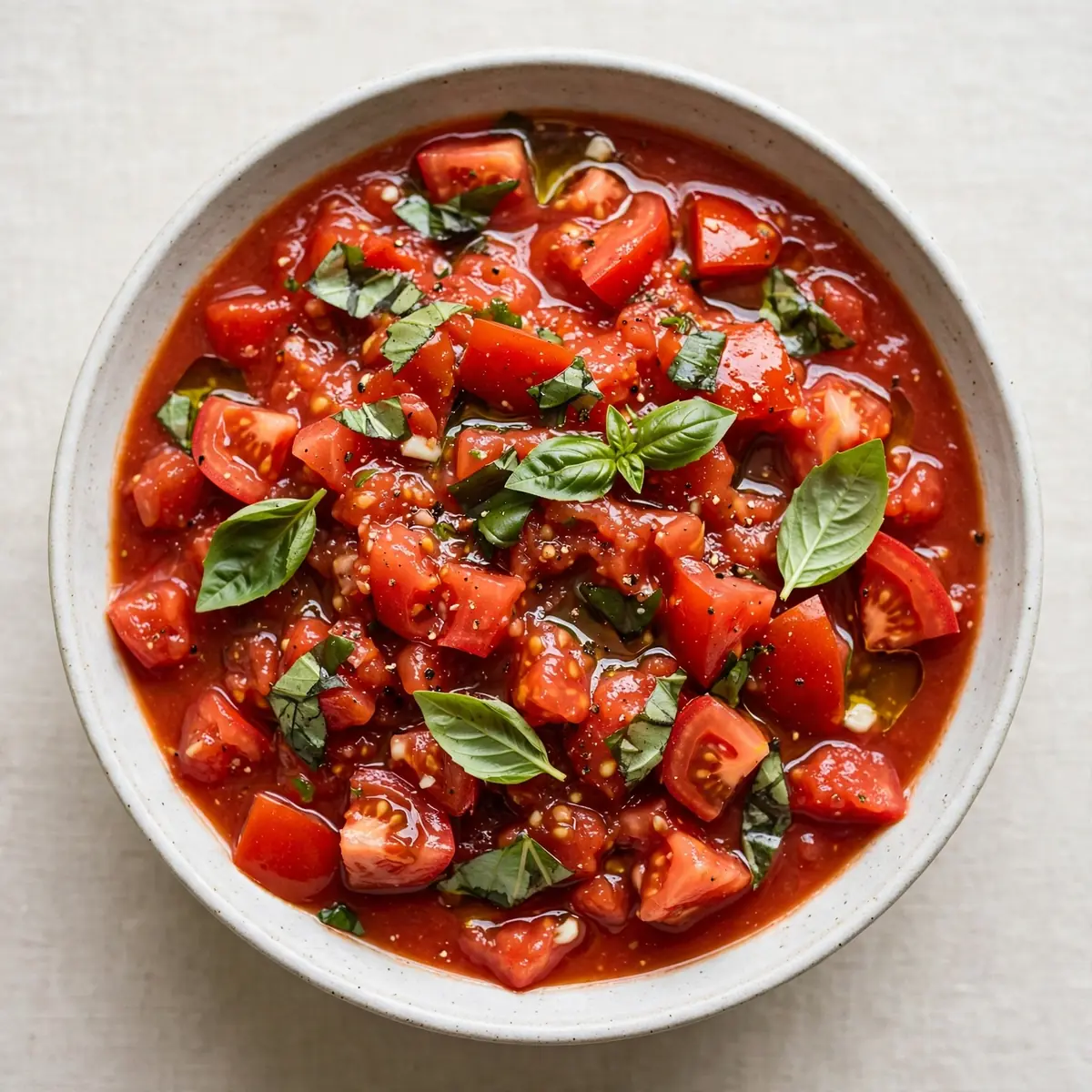
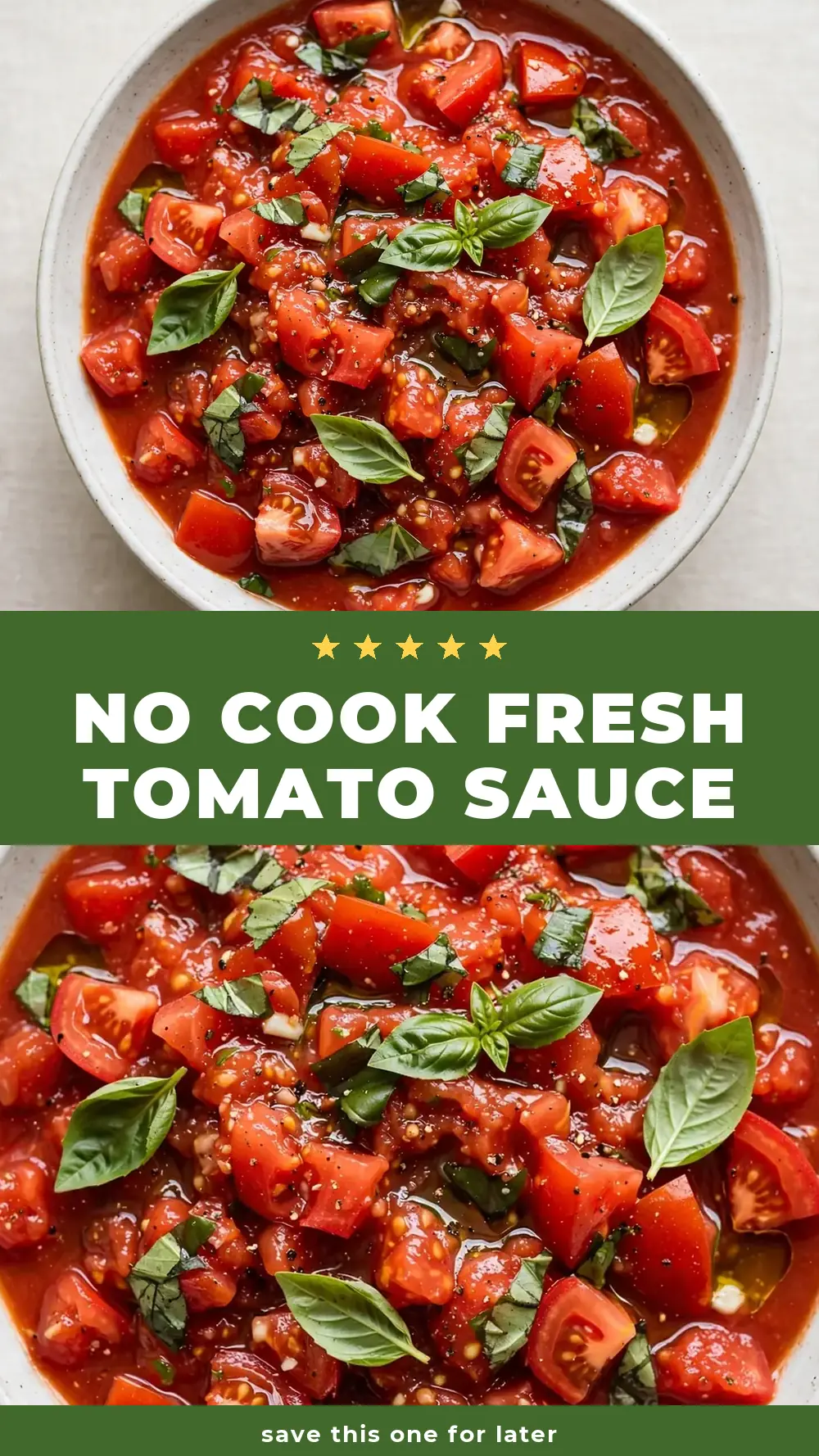
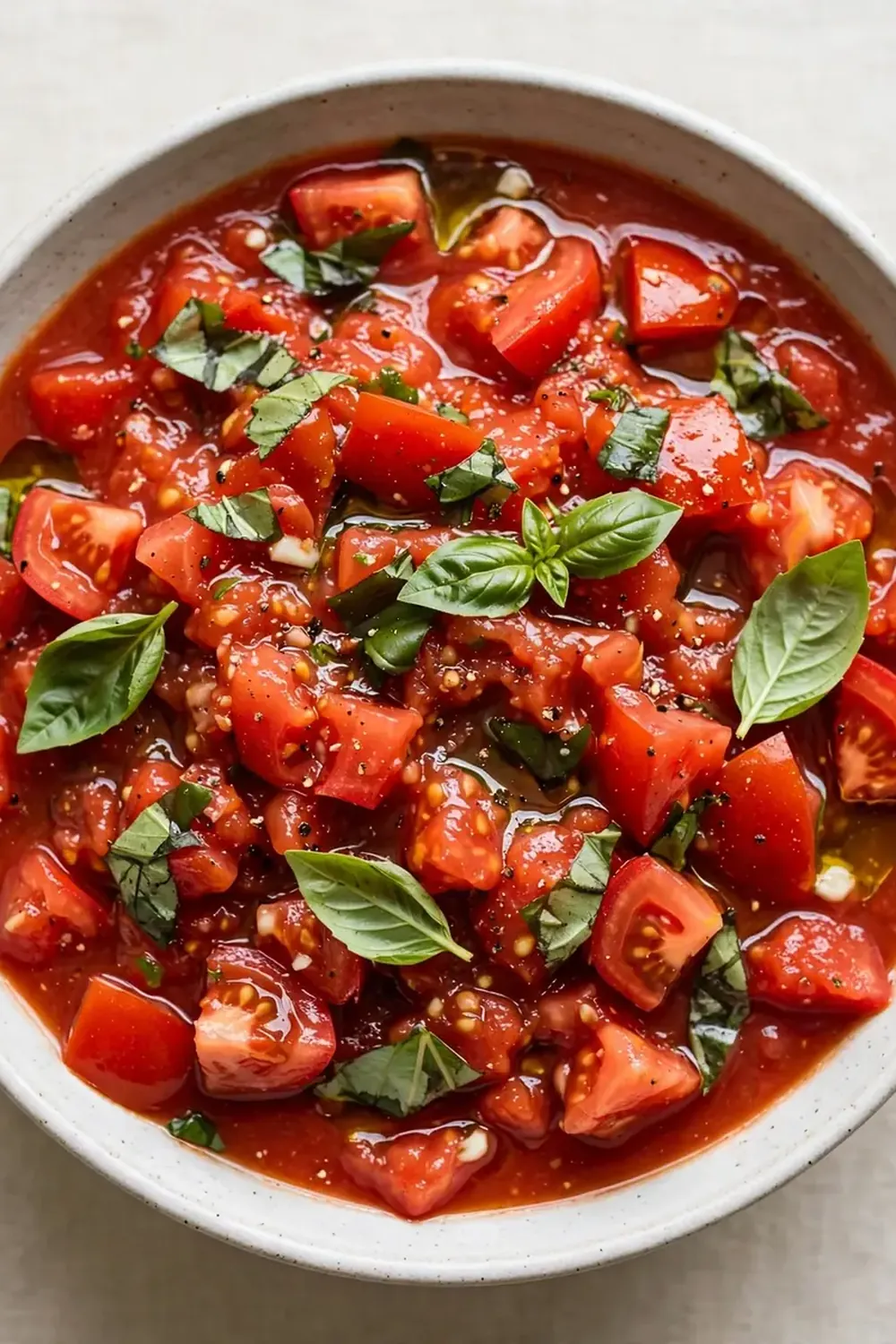
There’s a particular magic in a bowl of pasta swirled with a sauce that never saw a flame, a sauce made from tomatoes so ripe they practically hum with flavour. This no cook fresh tomato sauce is my weekend ritual, a slow, sensory project that fills the kitchen with the scent of basil and garlic and demands nothing more than a sharp knife and a little patience.
Recipe Overview
- Prep time: 20 minutes
- Cook time: 0 minutes
- Total time: 20 minutes (plus 30 minutes resting)
- Servings: Serves 4 generously
- Difficulty: Effortless
Why You’ll Love This No Cook Fresh Tomato Sauce
- No heat required: On sweltering summer days, the last thing you want is to stand over a hot stove. This sauce is cool, quick, and keeps your kitchen from becoming a sauna.
- Pure, unadulterated flavour: Because the tomatoes are never cooked, their natural sweetness and acidity remain front and centre. It tastes like sunshine in a bowl.
- A weekend comfort project: Chopping, salting, and stirring is a meditative act. I find the repetitive motions deeply calming, a way to slow down and savour the process.
- Endlessly adaptable: This is a base recipe that welcomes improvisation. Add chilli for heat, olives for brine, or fresh herbs for fragrance. Friends always ask me for this recipe after trying it at dinner parties.
- No cooking skills needed: If you can chop, you can make this. There’s no risk of scorching, curdling, or over-reducing. It’s foolproof.
Ingredients You’ll Need
- 1 kg ripe vine tomatoes (the best you can find)
- 4 cloves garlic, very finely minced
- 1 small red onion, finely diced
- 60 ml extra virgin olive oil
- 2 tablespoons red wine vinegar
- 1 teaspoon sea salt
- ½ teaspoon freshly ground black pepper
- 1 tablespoon capers, rinsed and roughly chopped
- Handful fresh basil leaves, torn
- Handful fresh flat-leaf parsley, chopped
- Pinch of sugar (only if tomatoes are not sweet enough)
- Freshly grated Parmesan cheese, to serve (optional)
Tip: The quality of your tomatoes is everything here. If they’re pale or hard, the sauce will be disappointing. Look for ones that are deeply coloured, give slightly when gently squeezed, and smell intensely fragrant at the stem end.
Equipment You’ll Need
- Large mixing bowl
- Sharp knife and cutting board
- Garlic press or Microplane
- Wooden spoon or spatula
- Colander (for draining pasta)
- Serving platter or individual bowls
How to Make No Cook Fresh Tomato Sauce
- Prepare the tomatoes: Bring a kettle of water to the boil. Score a small ‘X’ on the bottom of each tomato with your knife. Drop them into a heatproof bowl and pour the boiling water over them. Leave for 45-60 seconds, or until you see the skin starting to peel back at the scored mark. Drain and plunge into cold water. The skins will slip off easily now. The tomatoes will feel warm and yielding in your hands.
- Chop with care: Halve the peeled tomatoes and scoop out the seeds and watery pulp with your fingers. You want only the firm flesh. Dice the tomato flesh into small, even cubes, about 1 cm each. As you chop, you’ll hear the gentle squelch of the knife through the soft fruit. Place the cubes in your large mixing bowl. The colour should be a deep, vibrant red.
- Build the base: Add the minced garlic, diced red onion, capers, salt, and pepper to the bowl. Pour over the olive oil and red wine vinegar. The aromas will immediately start to mingle — sharp garlic, pungent vinegar, and the grassy scent of good olive oil. Stir gently with a wooden spoon until everything is evenly coated.
- Rest and macerate: Cover the bowl with a clean tea towel and leave it on the counter for at least 30 minutes. This is the most important step. During this time, the salt draws moisture out of the tomatoes, creating a light, juicy dressing. The flavours deepen and marry. You’ll notice the mixture looks glossier and more cohesive, and the smell becomes richer and more rounded.
- Finish with herbs: Just before serving, tear the basil leaves and chop the parsley. Stir them through the sauce. The green against the red is visually striking, and the fresh, peppery aroma of the herbs will lift the entire dish. Taste and adjust seasoning — add a pinch of sugar if the tomatoes taste too acidic, or more salt if needed.
- Cook your pasta: Bring a large pot of generously salted water to a rolling boil. Cook 400g of your favourite pasta (spaghetti, linguine, or pappardelle work beautifully) until al dente. Reserve a mug of the starchy pasta water before draining. The pasta should be tender but with a slight resistance at the centre.
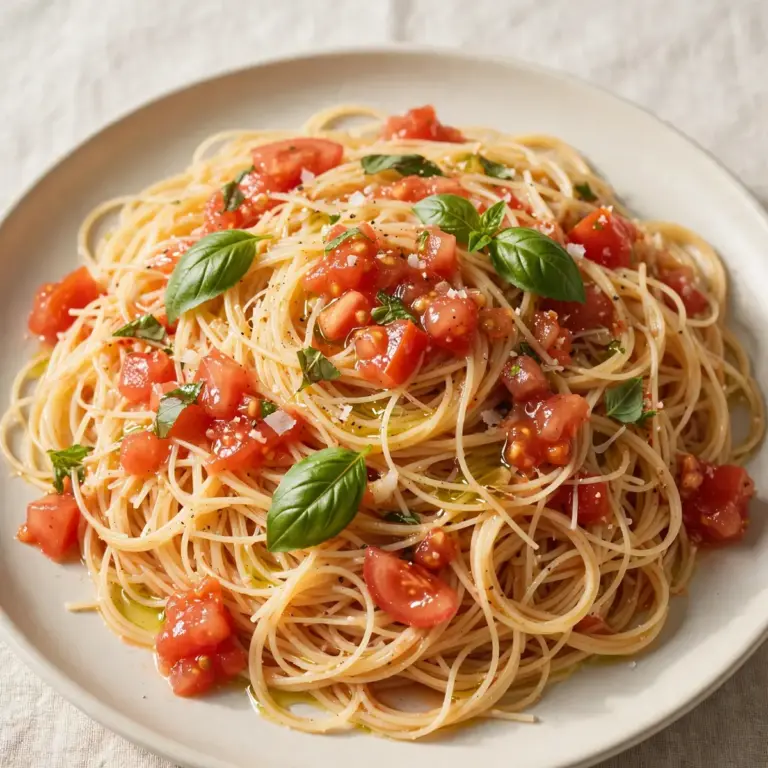
- Toss and serve: Add the hot, drained pasta directly to the bowl of sauce. Toss vigorously with tongs, adding a splash of the reserved pasta water to help the sauce cling to every strand. The pasta’s heat will gently warm the sauce without cooking it. The sauce should coat each piece in a glossy, ruby-red sheen. Serve immediately, topped with grated Parmesan if you like.
Tips From My Kitchen
- Use the ripest tomatoes you can find: This sauce relies entirely on the quality of its main ingredient. If your tomatoes are underripe, the sauce will be watery and bland. In winter, cherry tomatoes or datterini tomatoes are often sweeter and more reliable than larger varieties. I’ve been making this for over 4 years, and it never disappoints with good tomatoes.
- Don’t skip the seeding step: The seeds and watery pulp contain a lot of liquid and can make your sauce too thin. Removing them concentrates the flavour and gives you a more substantial, spoonable sauce. You’ll see a firmer, meatier texture in the final dish.
- Resting time is non-negotiable: The 30-minute rest is where the magic happens. It allows the salt to draw out the tomato juices and the garlic and onion to mellow. If you serve it immediately, the flavours will be separate and harsh. After resting, the sauce tastes harmonious and balanced.
- Use a high-quality olive oil: Since this sauce is never cooked, the olive oil is a primary flavour. A cheap, bland oil will ruin the dish. Invest in a good extra virgin olive oil that you enjoy drinking on its own. You’ll taste the difference in every bite.
- Reserve plenty of pasta water: The starchy water is the secret to a silky, emulsified sauce. It helps the oil and tomato juices cling to the pasta rather than pooling at the bottom of the bowl. Add it a tablespoon at a time until the sauce looks luscious and cohesive.
Delicious Variations to Try
- Spicy Version: Add 1-2 finely chopped fresh red chillies (seeds removed for less heat) or a teaspoon of red chilli flakes along with the garlic. The heat will bloom in the resting sauce, giving a gentle warmth that complements the sweet tomatoes.
- Vegetarian/Vegan Option: This recipe is naturally vegan if you omit the Parmesan cheese. For extra depth, add a handful of toasted pine nuts or chopped Kalamata olives. The nuts add a buttery richness, while the olives bring a briny punch.
- Different Protein: Serve the sauce over grilled chicken, pan-seared fish, or even spooned over a bowl of creamy mozzarella. It also works beautifully as a topping for bruschetta with tinned tuna or flaked cold salmon.
What to Serve With No Cook Fresh Tomato Sauce
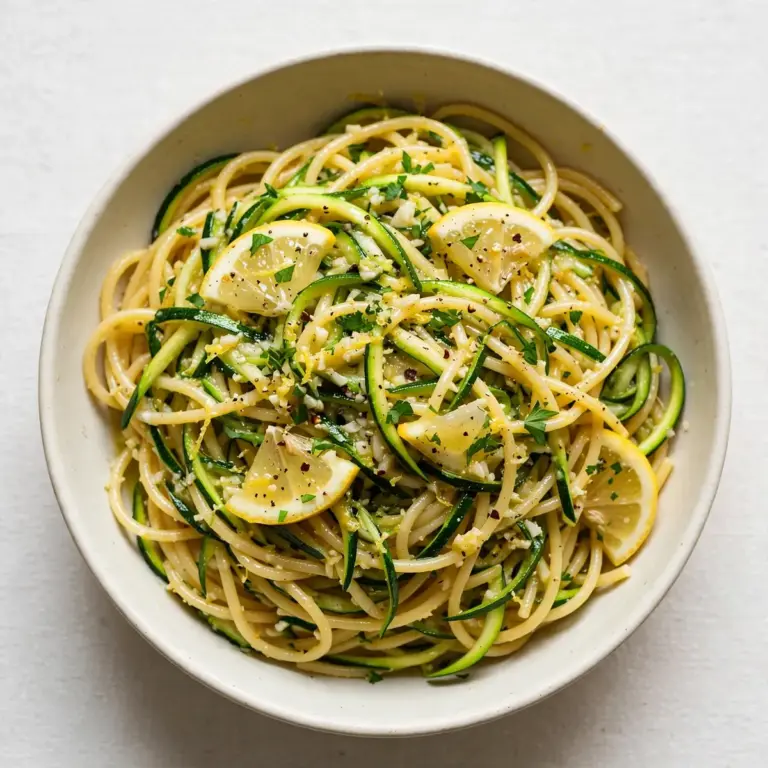
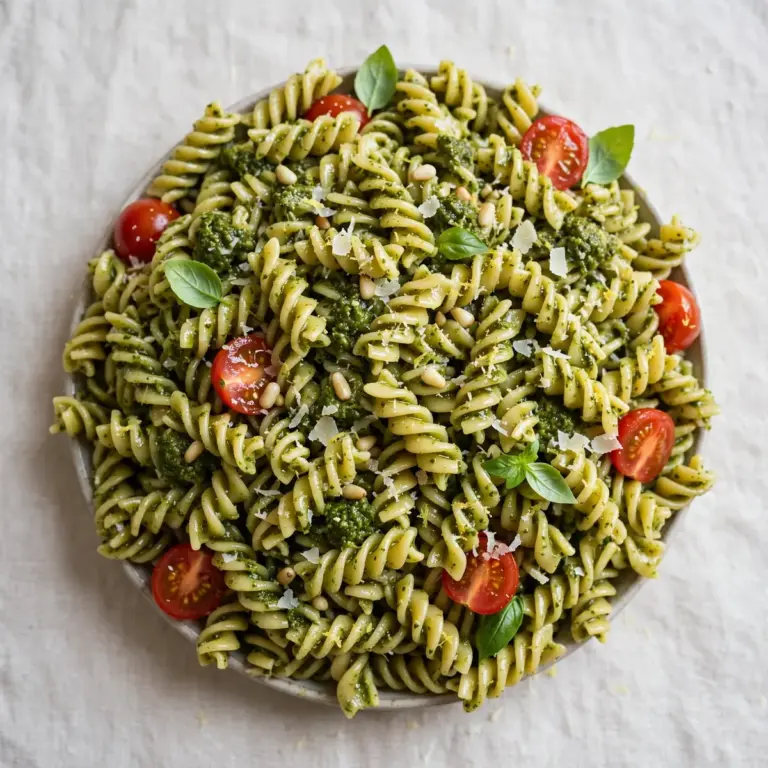
- A simple Easy Summer Pasta With Pesto alongside for a vibrant pasta spread
- Crusty sourdough bread to mop up every last drop of the herby, oily sauce
- A crisp green salad with a lemon vinaigrette to balance the richness
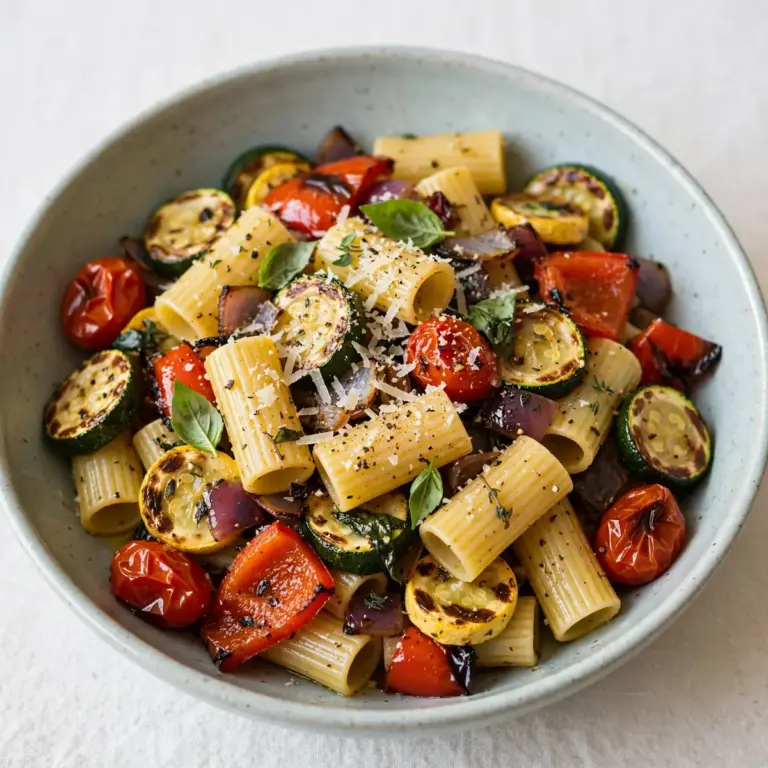
- Grilled vegetables like courgettes and aubergines, as in this Pasta Grilled Eggplant Bell Peppers dish
- A chilled glass of sparkling water with lemon and mint
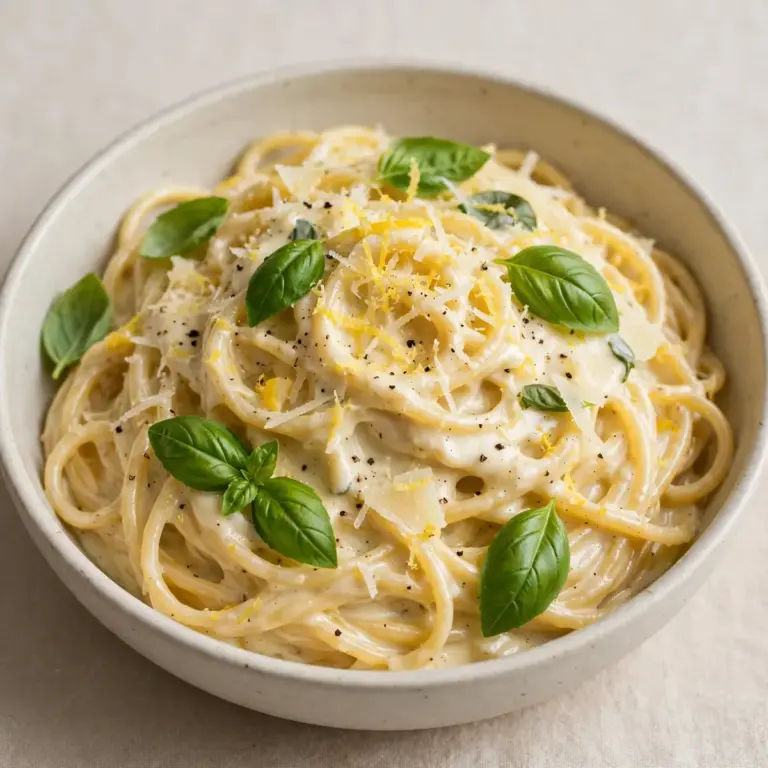
Still hungry for ideas? You might also love Creamy Tomato Sauce, Holiday Meatballs Tomato Sauce Recipe from our sister kitchens.
Frequently Asked Questions
no cook fresh tomato sauce
Ingredients
Method
-
Prepare the tomatoes: Bring a kettle of water to the boil. Score a small ‘X’ on the bottom of each tomato with your knife. Drop them into a heatproof bowl and pour the boiling water over them. Leave for 45-60 seconds, or until you see the skin starting to peel back at the scored mark. Drain and plunge into cold water. The skins will slip off easily now. The tomatoes will feel warm and yielding in your hands.
-
Chop with care: Halve the peeled tomatoes and scoop out the seeds and watery pulp with your fingers. You want only the firm flesh. Dice the tomato flesh into small, even cubes, about 1 cm each. As you chop, you’ll hear the gentle squelch of the knife through the soft fruit. Place the cubes in your large mixing bowl. The colour should be a deep, vibrant red.
-
Build the base: Add the minced garlic, diced red onion, capers, salt, and pepper to the bowl. Pour over the olive oil and red wine vinegar. The aromas will immediately start to mingle — sharp garlic, pungent vinegar, and the grassy scent of good olive oil. Stir gently with a wooden spoon until everything is evenly coated.
-
Rest and macerate: Cover the bowl with a clean tea towel and leave it on the counter for at least 30 minutes. This is the most important step. During this time, the salt draws moisture out of the tomatoes, creating a light, juicy dressing. The flavours deepen and marry. You’ll notice the mixture looks glossier and more cohesive, and the smell becomes richer and more rounded.
-
Finish with herbs: Just before serving, tear the basil leaves and chop the parsley. Stir them through the sauce. The green against the red is visually striking, and the fresh, peppery aroma of the herbs will lift the entire dish. Taste and adjust seasoning — add a pinch of sugar if the tomatoes taste too acidic, or more salt if needed.
-
Cook your pasta: Bring a large pot of generously salted water to a rolling boil. Cook 400g of your favourite pasta (spaghetti, linguine, or pappardelle work beautifully) until al dente. Reserve a mug of the starchy pasta water before draining. The pasta should be tender but with a slight resistance at the centre.
-
Toss and serve: Add the hot, drained pasta directly to the bowl of sauce. Toss vigorously with tongs, adding a splash of the reserved pasta water to help the sauce cling to every strand. The pasta’s heat will gently warm the sauce without cooking it. The sauce should coat each piece in a glossy, ruby-red sheen. Serve immediately, topped with grated Parmesan if you like.
Notes
I hope this no cook fresh tomato sauce becomes a cherished part of your weekend cooking. There’s something profoundly satisfying about creating a dish with such minimal effort and maximum reward — it reminds us that the simplest ingredients, handled with care, can be the most memorable. Have you tried making it? I’d love to hear about your variations and the tomatoes you used, so do share your thoughts in the comments below.