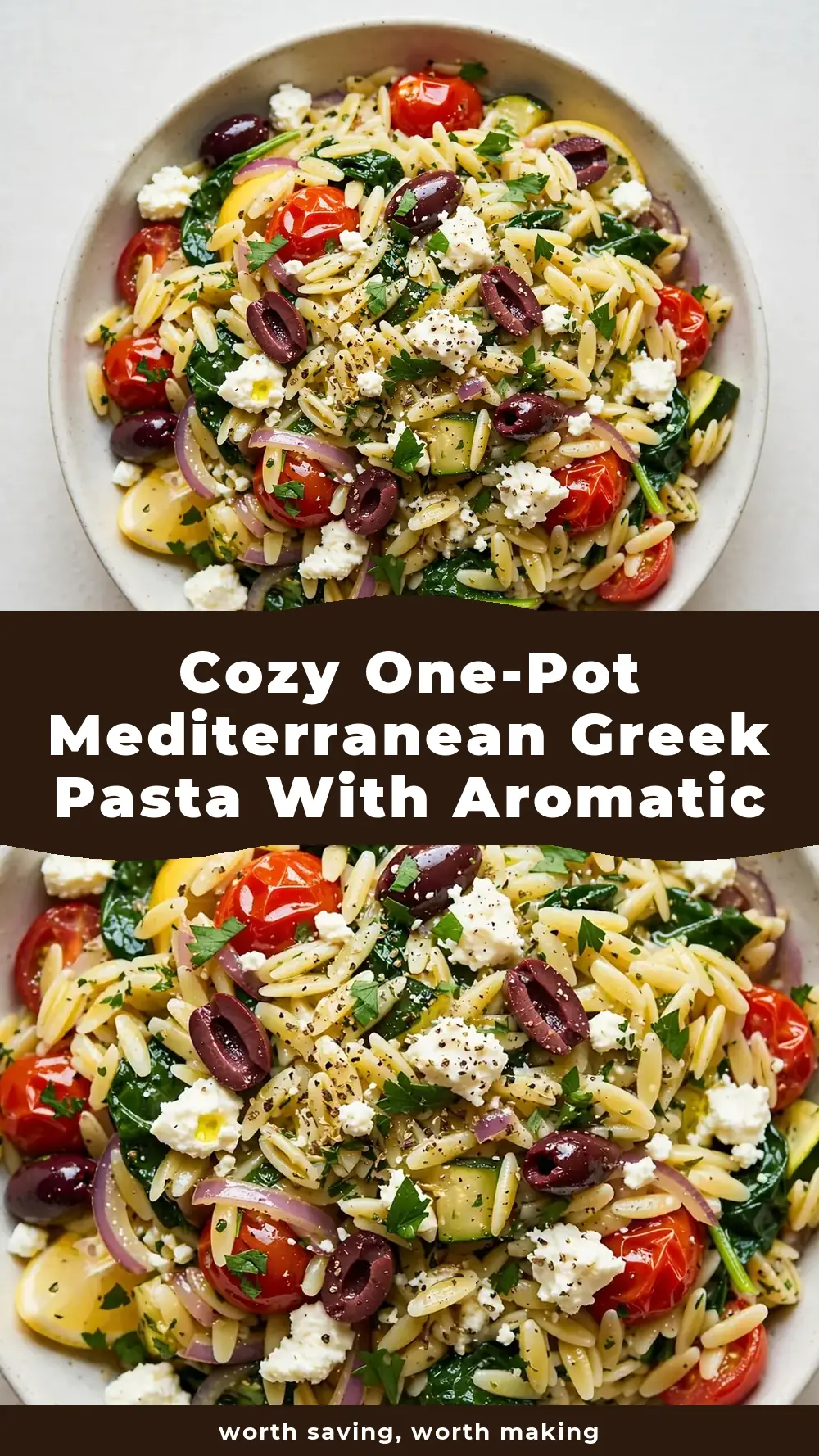
Cozy One-Pot Mediterranean Greek Pasta with Aromatic Garlic
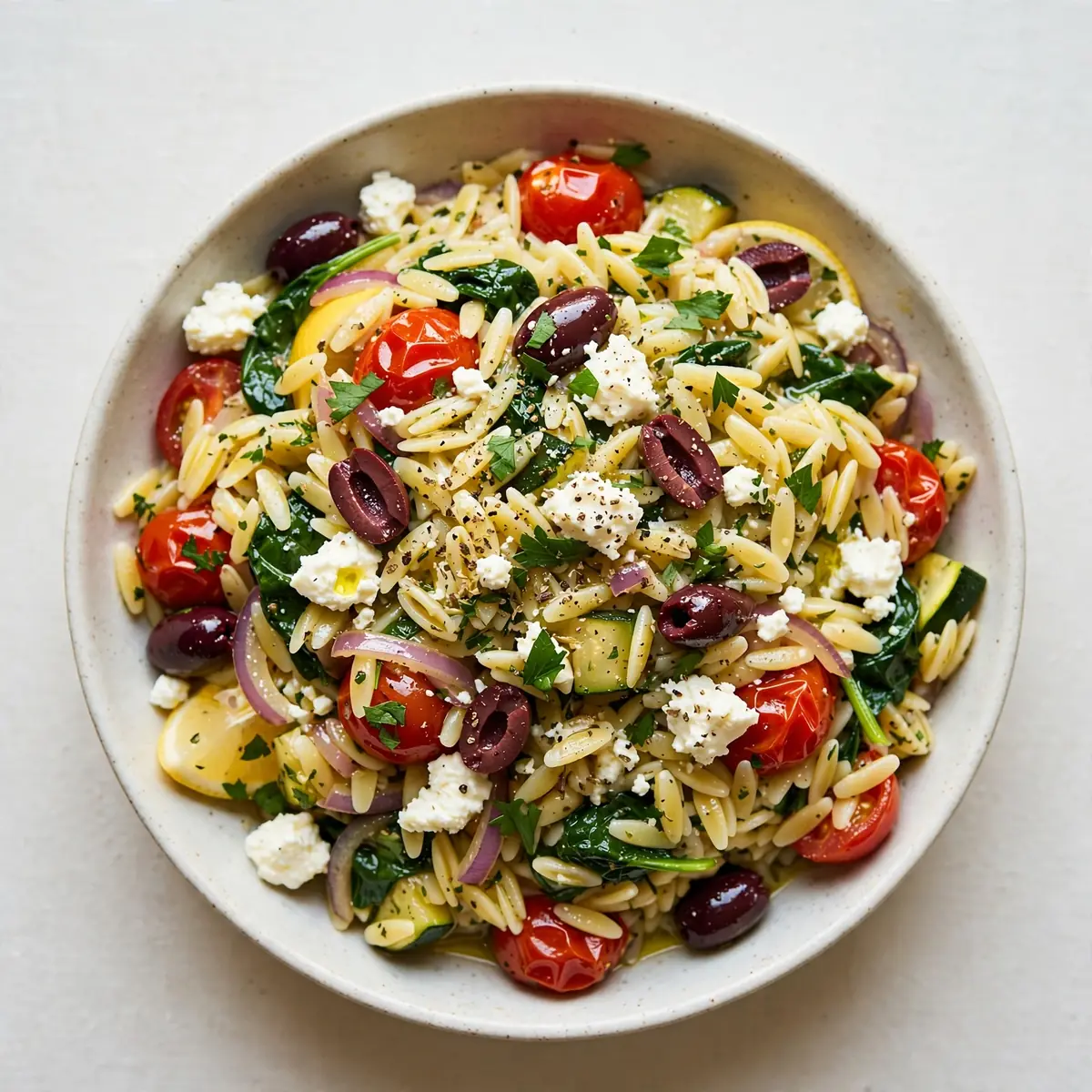
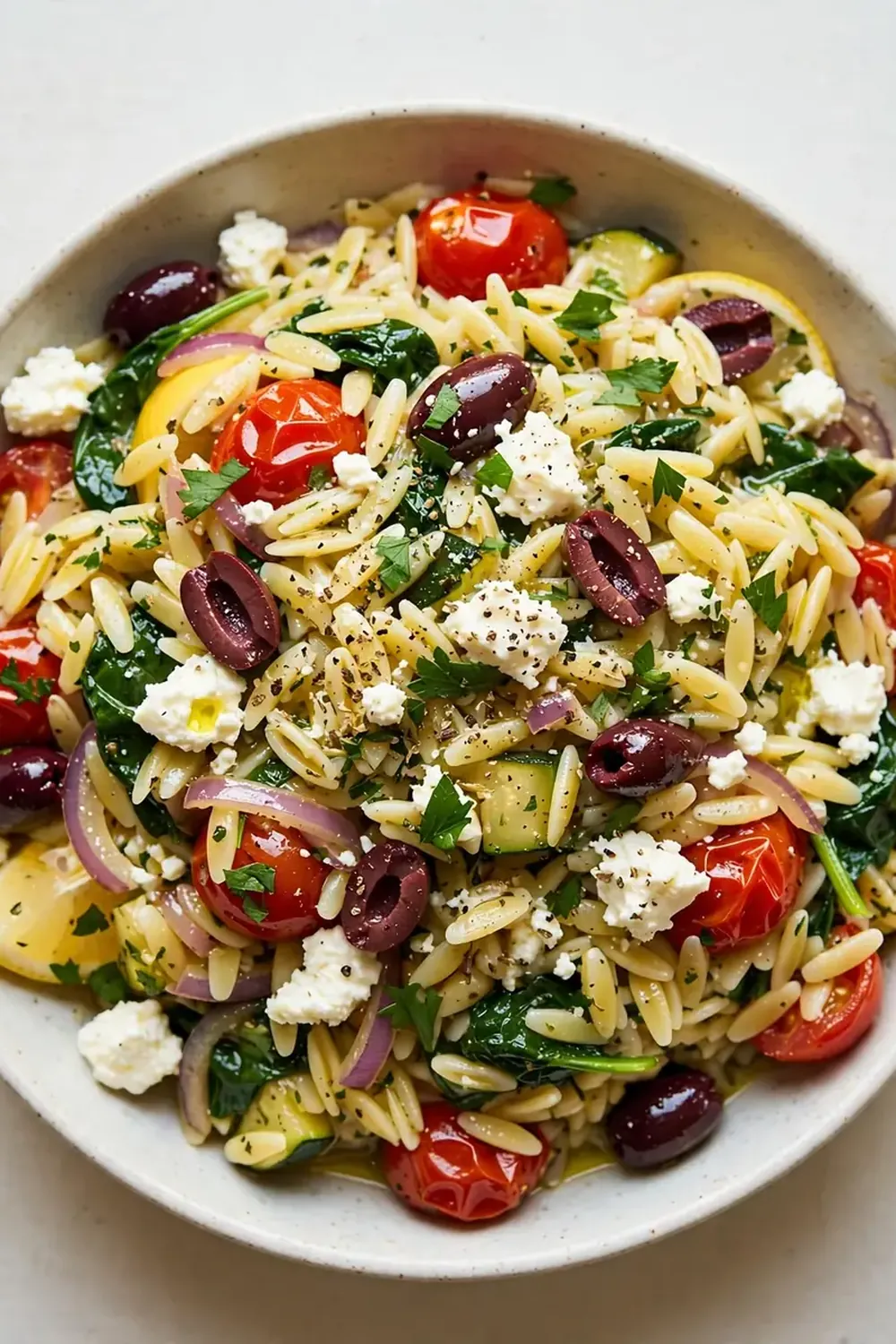
There are evenings when only one thing will do: a steaming bowl of pasta that tastes like a sun-drenched Greek island, but requires minimal effort and, crucially, only one pot to wash up afterwards. This One-Pot Mediterranean Greek Pasta is my go-to for those cosy weekends when you want the kitchen to smell incredible without spending hours slaving over a hot stove. It’s a proper, feel-good project that rewards you with a deeply savoury, comforting meal.
Recipe Overview
- Prep Time: 15 minutes
- Cook Time: 25 minutes
- Total Time: 40 minutes
- Servings: 4 hearty portions
- Difficulty: Easy
Why You’ll Love This One-Pot Mediterranean Greek Pasta
- Minimal Washing Up: Everything – from the initial sauté to the final simmer – happens in a single, deep pot. You can practically hear the collective sigh of relief from your kitchen sink.
- Deep, Layered Flavour: By cooking the pasta directly in the broth with the other ingredients, the starch from the pasta thickens the liquid into a silky, clingy sauce that tastes like it’s been simmering for hours.
- A True Sensory Experience: The scent of garlic warming in olive oil, the gentle fizz of sizzling chicken, the earthy aroma of oregano and sun-dried tomatoes – this recipe is a feast for the senses from start to finish.
- Perfect for a Lazy Weekend: There’s something wonderfully therapeutic about standing at the hob, stirring slowly, and watching a simple collection of ingredients transform into something truly special, much like this Cozy Weekend Project: Creamy Lemon Butter Shells with Peas. It’s cooking as a form of slowing down.
- Naturally Satisfying: Packed with protein, vegetables, and hearty pasta, this meal is a complete dish in itself. It’s the kind of dinner that leaves you feeling content, not stuffed.
Ingredients You’ll Need
- 2 tablespoons olive oil
- 400g chicken thighs, diced into bite-sized pieces
- 1 large onion, finely chopped
- 4 cloves garlic, thinly sliced
- 1 red bell pepper, deseeded and diced
- 100g sun-dried tomatoes (in oil), drained and roughly chopped
- 1 teaspoon dried oregano
- 1 teaspoon dried basil
- ½ teaspoon chilli flakes (optional, for a gentle warmth)
- 1 tablespoon tomato purée
- 900ml chicken stock, hot
- 300g dried orzo pasta (or another small shape like risoni or ditalini)
- 100g pitted Kalamata olives, halved
- 100g feta cheese, crumbled
- A large handful of fresh parsley, roughly chopped
- Salt and freshly ground black pepper, to taste
Tip: For the best flavour, use a good-quality chicken stock. The pasta will absorb a lot of it, so a tasty base makes all the difference. I often use homemade stock, but a good shop-bought one works a treat, too.
How to Make One-Pot Mediterranean Greek Pasta
- Sear the chicken. Place your large, deep pot over a medium-high heat and add the olive oil. Once the oil is shimmering and you can feel its gentle heat on your hand, add the diced chicken in a single layer. Let it cook undisturbed for 3-4 minutes – you want a deep, golden-brown crust on the underside. The sound should be a satisfying, steady sizzle. Once golden, stir and cook for another 2 minutes until it’s no longer pink on the outside. Remove the chicken with a slotted spoon and set it aside on a plate. The bottom of the pan should have lovely, sticky brown bits – that’s pure flavour.
- Sweat the aromatics. Reduce the heat to medium. Add the chopped onion to the same pot. Stir it around, scraping up those brown bits from the bottom. Cook for 4-5 minutes, until the onion has softened and turned translucent. The smell at this point will be sweet and savoury. Add the sliced garlic and diced red pepper, and cook for a further 2 minutes, until the garlic is fragrant and the pepper has started to soften. You’ll notice the kitchen air becoming wonderfully aromatic.
- Bloom the spices and tomato. Add the chopped sun-dried tomatoes, dried oregano, dried basil, chilli flakes (if using), and the tomato purée. Stir everything together and cook for 1 minute. This step, called blooming, wakes up the dried herbs and intensifies their flavour. The paste will darken slightly and smell incredibly rich.
- Add the liquid and pasta. Pour in the hot chicken stock. Use a wooden spoon to give the bottom of the pot a good scrape, ensuring nothing is stuck. Bring the liquid to a gentle, rolling boil. You’ll see bubbles breaking the surface steadily. Once boiling, stir in the orzo pasta. Return the seared chicken to the pot, along with any juices that have collected on the plate.
- Simmer, stirring occasionally. Reduce the heat to a low simmer – you want the liquid to be lazily bubbling, not furiously boiling. Set a timer for 12 minutes. The key here is to stir the pot every 2-3 minutes, especially as the pasta starts to thicken the liquid. You’ll notice the sauce becoming creamier and more opaque as the starch releases. If the pot looks a little dry before the pasta is tender, add a splash more hot water or stock.
- Finish with the olives and cheese. After 12 minutes, the pasta should be al dente – tender but with a slight bite. The sauce should be thick and luscious, coating each piece of pasta. Stir through the halved Kalamata olives. Taste and season with salt and pepper. Be cautious with salt, as the olives and feta are already quite salty. Remove the pot from the heat.
- Rest and serve. Crumble the feta cheese over the top and scatter with the fresh parsley. Let the pasta sit, uncovered, for 2-3 minutes. This allows the flavours to meld and the sauce to settle into its final, glorious consistency. Spoon into warm bowls and enjoy immediately.
Tips From My Kitchen
- Use the right pot. You need a pot that is wide enough to hold the pasta in a relatively shallow layer, but deep enough to contain the liquid. A large, heavy-based sauté pan or a Dutch oven is ideal. The wide surface area helps the liquid evaporate at the right rate, thickening the sauce without you having to stand and stir constantly.
- Don’t skip the sear. The deep, brown crust you develop on the chicken in the first step is non-negotiable for deep flavour. That browning is the Maillard reaction, and it creates hundreds of new flavour compounds that are far more complex than simply cooking the chicken through. It’s a short step that pays off tenfold.
- Trust the starch. The beauty of a one-pot pasta is that the starch from the pasta naturally thickens the liquid into a creamy sauce without a drop of cream. For this to work, you must stir it a few times during cooking to release that starch. It’s not a ‘set and forget’ recipe – a little love and attention pays off.
- Adjust the liquid as you go. Different brands of pasta absorb liquid at different rates, and your stock may be more or less reduced depending on your pot and hob. If, after 10 minutes, the pan looks dry and the pasta isn’t cooked, add a ladleful of hot water. If it looks too soupy, turn the heat up slightly for the last few minutes to encourage evaporation.
- Add the feta at the very end. Crumbling the feta over the finished dish just before serving ensures it stays distinct and creamy. If you stir it in too early, it will melt into the sauce and lose its character. You want to get delicious, salty pockets of feta in each bite.
Equipment You’ll Need
- Large, deep pot or Dutch oven (5-6 litre capacity)
- Wooden spoon or silicone spatula
- Sharp knife and chopping board
- Measuring jug for stock
- Slotted spoon
Delicious Variations to Try
- Spicy Version: For those who like a bit of a kick, increase the chilli flakes to a full teaspoon, or add a finely chopped red chilli with the garlic. A pinch of smoked paprika added with the oregano also adds a lovely, subtle warmth.
- Vegetarian/Vegan Option: This dish is easily made plant-based. Simply swap the chicken for a 400g tin of chickpeas (drained and rinsed) or a block of halloumi, cubed and seared until golden. Use a good-quality vegetable stock instead of chicken stock. To keep it vegan, simply omit the feta or use a plant-based alternative.
- Different Protein: Diced lamb shoulder works beautifully here, as does a pack of good-quality beef meatballs. For a lighter option, try large, peeled prawns. Add them in the last 4 minutes of cooking, as they need very little time to cook through. My husband, who’s usually picky, asked for seconds when I used lamb!
What to Serve With One-Pot Mediterranean Greek Pasta
- A simple, crisp green salad with a lemon and olive oil dressing to cut through the richness.
- Warm, crusty bread to mop up any remaining sauce from the bottom of your bowl.
- A glass of chilled, still water with a slice of lemon – the perfect palate cleanser.
Still hungry for ideas? You might also love One Pot Marry Me Chicken Pasta Recipe, Mediterranean Pasta Salad With Feta from our sister kitchens.
Frequently Asked Questions
One-Pot Mediterranean Greek Pasta
Ingredients
Method
-
Sear the chicken. Place your large, deep pot over a medium-high heat and add the olive oil. Once the oil is shimmering and you can feel its gentle heat on your hand, add the diced chicken in a single layer. Let it cook undisturbed for 3-4 minutes – you want a deep, golden-brown crust on the underside. The sound should be a satisfying, steady sizzle. Once golden, stir and cook for another 2 minutes until it’s no longer pink on the outside. Remove the chicken with a slotted spoon and set it aside on a plate. The bottom of the pan should have lovely, sticky brown bits – that’s pure flavour.
-
Sweat the aromatics. Reduce the heat to medium. Add the chopped onion to the same pot. Stir it around, scraping up those brown bits from the bottom. Cook for 4-5 minutes, until the onion has softened and turned translucent. The smell at this point will be sweet and savoury. Add the sliced garlic and diced red pepper, and cook for a further 2 minutes, until the garlic is fragrant and the pepper has started to soften. You’ll notice the kitchen air becoming wonderfully aromatic.
-
Bloom the spices and tomato. Add the chopped sun-dried tomatoes, dried oregano, dried basil, chilli flakes (if using), and the tomato purée. Stir everything together and cook for 1 minute. This step, called blooming, wakes up the dried herbs and intensifies their flavour. The paste will darken slightly and smell incredibly rich.
-
Add the liquid and pasta. Pour in the hot chicken stock. Use a wooden spoon to give the bottom of the pot a good scrape, ensuring nothing is stuck. Bring the liquid to a gentle, rolling boil. You’ll see bubbles breaking the surface steadily. Once boiling, stir in the orzo pasta. Return the seared chicken to the pot, along with any juices that have collected on the plate.
-
Simmer, stirring occasionally. Reduce the heat to a low simmer – you want the liquid to be lazily bubbling, not furiously boiling. Set a timer for 12 minutes. The key here is to stir the pot every 2-3 minutes, especially as the pasta starts to thicken the liquid. You’ll notice the sauce becoming creamier and more opaque as the starch releases. If the pot looks a little dry before the pasta is tender, add a splash more hot water or stock.
-
Finish with the olives and cheese. After 12 minutes, the pasta should be al dente – tender but with a slight bite. The sauce should be thick and luscious, coating each piece of pasta. Stir through the halved Kalamata olives. Taste and season with salt and pepper. Be cautious with salt, as the olives and feta are already quite salty. Remove the pot from the heat.
-
Rest and serve. Crumble the feta cheese over the top and scatter with the fresh parsley. Let the pasta sit, uncovered, for 2-3 minutes. This allows the flavours to meld and the sauce to settle into its final, glorious consistency. Spoon into warm bowls and enjoy immediately.
Notes
I hope this becomes your new favourite weekend project. It’s one of those rare dishes that feels both indulgent and wholesome, and it fills the house with the most glorious, welcoming aroma. I used to struggle with getting the sauce just right in one-pot pastas, but I discovered that the secret is simply patience and a few good stirs. If you give this a go, I’d love to hear how you get on. What did you serve it with? Did you try a variation? Drop a comment below and let’s chat about it.