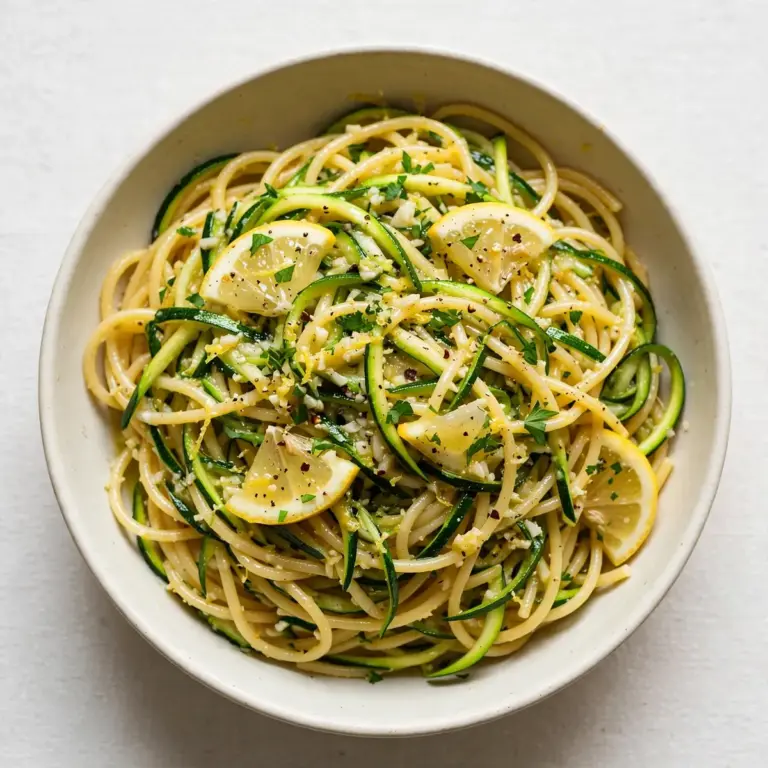
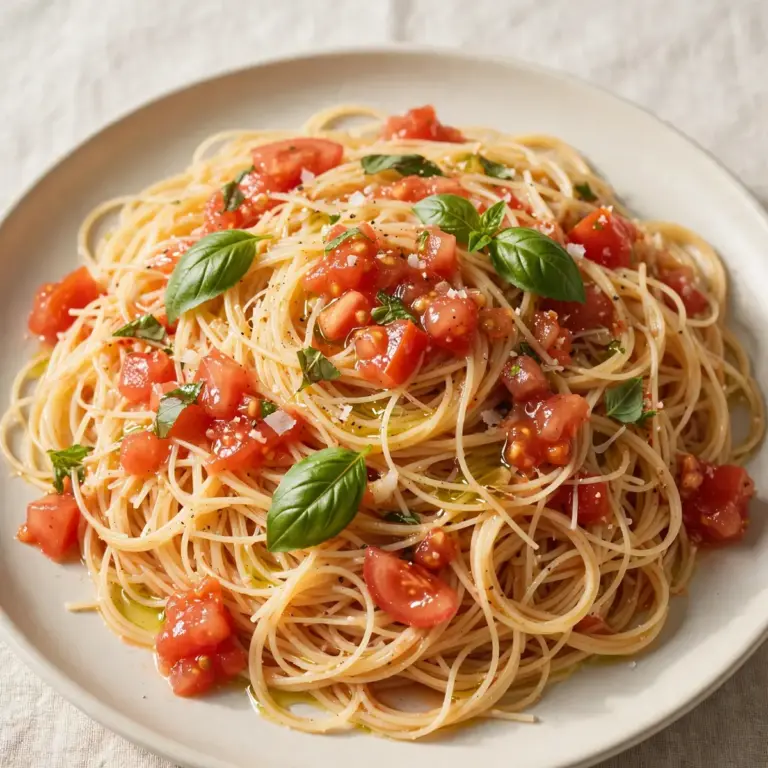
Creamy Lemon Pasta Fresh Basil
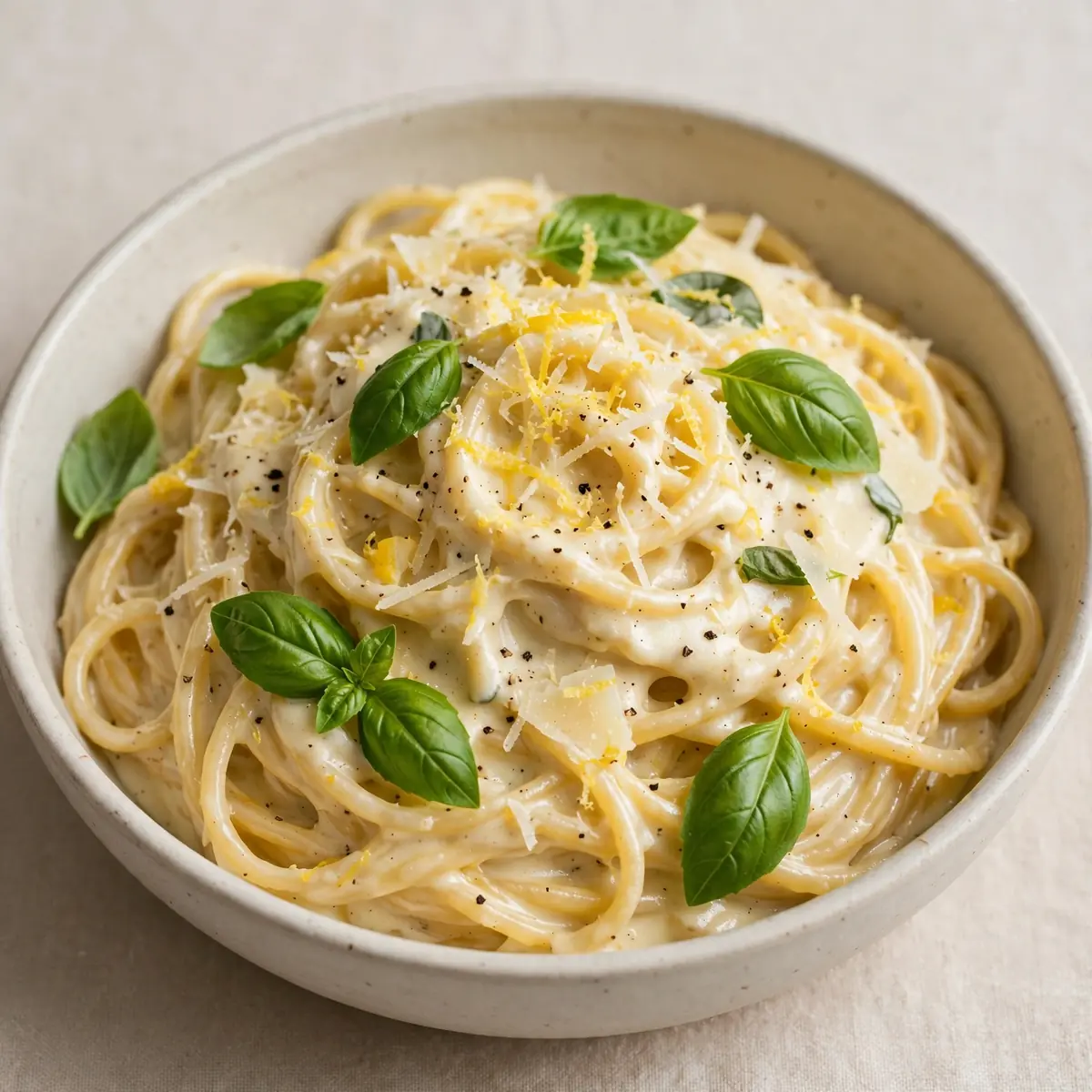
There are some evenings that call for a proper, slow-cooked project, and a bowl of creamy lemon pasta with fresh basil is precisely that sort of mission. I’m not talking about a 15-minute midweek scramble; I mean the kind of cooking where you sink into the rhythm of simmering and stirring, letting the fragrance of lemon zest and garlic fill your kitchen. This is my weekend comfort-food project, and after testing this recipe five times, I finally got it just right — a sauce that clings to every strand of pasta, balanced by the bright pop of fresh basil.
Recipe Overview
- Prep Time: 15 minutes
- Cook Time: 25 minutes
- Total Time: 40 minutes
- Servings: 4 generous portions
- Difficulty: Moderate (worth every minute of attention)
Why You’ll Love This creamy lemon pasta fresh basil
- Deeply satisfying without being heavy: The creaminess comes from a careful emulsion of butter, cream, and pasta water, not from a glug of double cream that leaves you feeling sluggish.
- That incredible, lifted aroma: When you grate fresh lemon zest over the hot pasta, the oils release a scent that is clean, zesty, and utterly cheering — it’s aromatherapy for a rainy weekend.
- A slow-cooked depth of flavour: By gently toasting the garlic and shallots before adding the liquid, you build a savoury base that makes the lemon sing rather than scream.
- The perfect texture every time: That glossy, velvety sauce that coats the pasta without being greasy — it’s all about timing and a little patience, and I’ve nailed the technique so you can too.
- Fresh basil as the star: Not just a garnish, but a generous, fragrant addition that you tear in at the very end, preserving its peppery, sweet character.
Ingredients You’ll Need
- 400g dried spaghetti or linguine (or 500g fresh pasta, if you prefer a softer bite)
- 3 tablespoons unsalted butter
- 4 cloves garlic, finely sliced
- 1 medium shallot, finely diced
- 250ml double cream
- 2 large lemons (zest of both, juice of one)
- 100g finely grated Parmesan cheese (plus extra for serving)
- ½ teaspoon salt (plus more for the pasta water)
- ¼ teaspoon freshly cracked black pepper
- Large handful of fresh basil leaves (about 15g), plus extra for garnish
- Optional: 200g cooked chicken breast, shredded, or 200g peeled prawns, if you want a heartier meal
Tip: The quality of your Parmesan matters here — avoid pre-grated bags, as they contain anti-caking agents that stop the cheese melting smoothly into the sauce. Grate it yourself from a block.
How to Make creamy lemon pasta fresh basil
- Bring a large pot of salted water to a rolling boil. Use about a tablespoon of salt per litre — the water should taste as salty as the sea. Drop in your pasta and cook until al dente according to the packet instructions, usually 8–10 minutes for dried. You’ll know it’s ready when the pasta offers a slight resistance against your teeth, and the water looks starchy and milky.
- While the pasta cooks, start the sauce. In a wide, heavy-based frying pan, melt the butter over a medium heat. Listen for the gentle sizzle as the butter foams, then subsides — that’s the signal to add the shallot. Sauté the shallot for 3–4 minutes until it turns translucent and softens, releasing a sweet, mellow aroma.
- Add the sliced garlic to the pan. Stir it through the shallot and cook for just 30 seconds — you want the garlic to become fragrant, but not take on any colour. The moment you catch that warm, pungent scent wafting up, it’s done. Burnt garlic turns bitter, so stay attentive.
- Pour in the double cream and the juice of one lemon. Stir everything together and bring it to a gentle simmer. Let it bubble softly for 2–3 minutes, stirring occasionally. You’ll see the cream thicken slightly and the colour deepen to a pale, buttery gold. The steam will carry a lovely, tangy fragrance that fills the kitchen.
- Reserve a cup of pasta water before draining. Use a ladle or a mug to scoop out about 250ml of the starchy water. Then drain your pasta — do not rinse it, as you want that starch to help bind the sauce.
- Add the drained pasta directly to the pan with the cream sauce. Toss everything together with tongs, adding a splash of the reserved pasta water to loosen the sauce. Watch as the sauce transforms from a thin cream into a glossy, silky coating that clings to each strand. The sound will shift from a slosh to a soft, sticky whisper as the pasta absorbs the liquid.
- Remove the pan from the heat. Now add the grated Parmesan, the zest of both lemons, and the salt and pepper. Toss vigorously — the residual heat will melt the cheese into a velvety emulsion. The sauce should look satiny, not grainy, and the Parmesan will add a nutty, salty depth that balances the lemon.
- Tear the fresh basil leaves into the pan. Use your fingers to rip them roughly — tearing releases more of their essential oils than slicing. Give the pasta one final toss. The basil will wilt slightly into the warm sauce, releasing a sweet, peppery fragrance that is the signature of this dish.
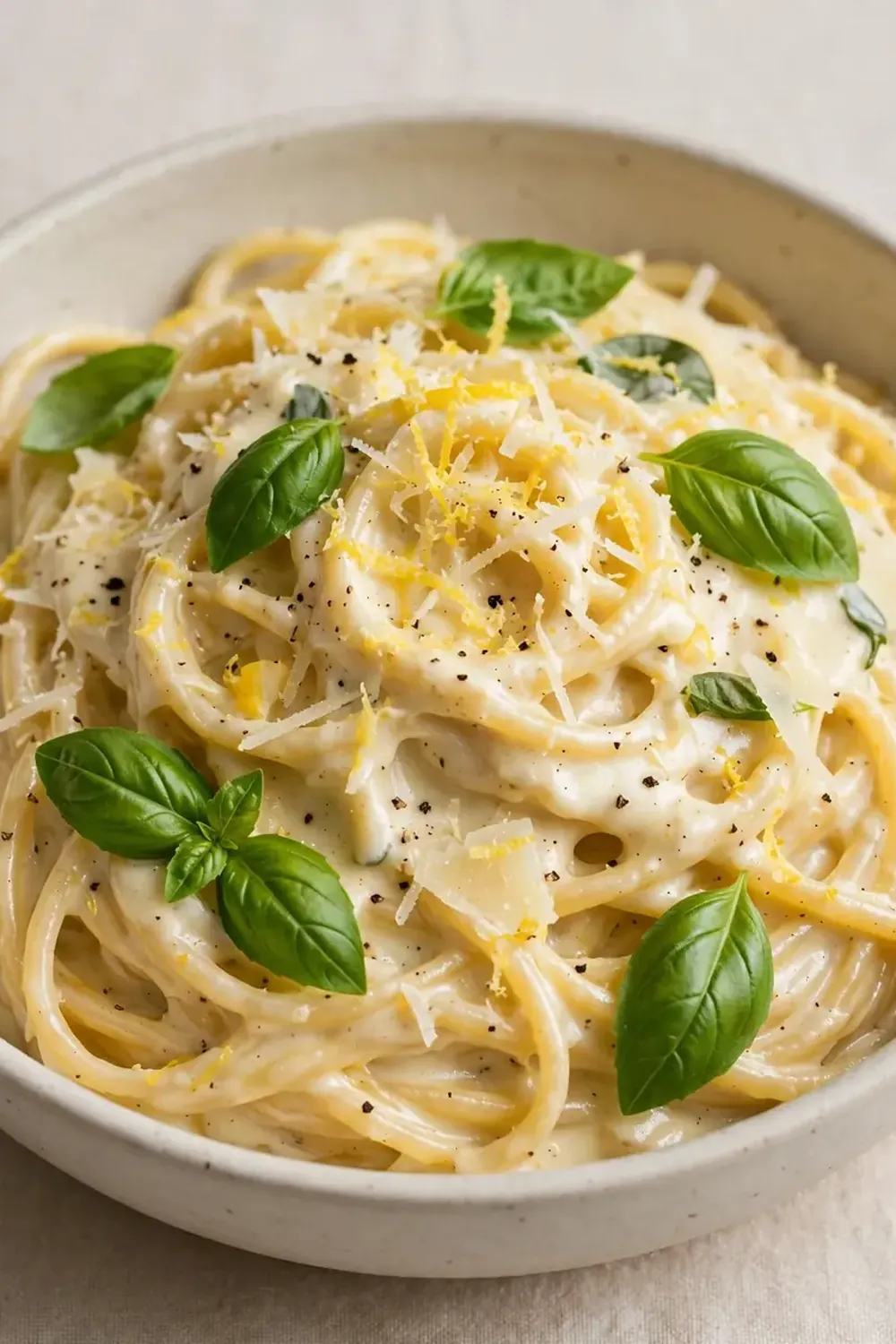
- Serve immediately in warm bowls. Top with an extra scattering of fresh basil leaves and a generous grating of Parmesan. The pasta should be steaming, the sauce glossy, and the basil bright green against the creamy backdrop.
Tips From My Kitchen
- Reserve more pasta water than you think you need. I used to struggle with this dish until I discovered this technique: the starchy water is the secret to a silky, emulsified sauce. It helps the butter, cream, and cheese bind together without splitting. Add it a splash at a time until the sauce reaches that perfect, flowing consistency.
- Grate your Parmesan on the finest side of the grater. Finely grated cheese melts almost instantly into the hot pasta, whereas larger shreds can clump and turn rubbery. The finer the grate, the smoother the sauce.
- Don’t skip the lemon zest. The juice gives acidity, but the zest carries the essential oils that deliver that pure, intense lemon aroma. Use a microplane or the finest side of a box grater, and only grate the yellow part — the white pith is bitter and will overpower the dish.
- Cook the pasta to just under al dente if you’re finishing it in the sauce. The pasta will continue to cook for those extra 30 seconds in the hot pan, so pulling it a minute early keeps it from turning mushy. It should still have a visible white core when you bite into it before draining.
- Let the sauce rest off the heat before serving. After you add the cheese and basil, give the pasta a minute to sit in the pan. This allows the sauce to thicken slightly and the flavours to meld. It also gives you time to warm your serving bowls — cold bowls will seize the sauce instantly.
Delicious Variations to Try
- Spicy Version: Add ½ teaspoon of red pepper flakes along with the garlic. The heat plays beautifully against the creamy lemon sauce, and the basil adds a cooling counterpoint. For an extra kick, finish with a drizzle of chilli-infused olive oil just before serving.
- Vegetarian/Vegan Option: Replace the double cream with a full-fat coconut cream and use a good-quality vegan Parmesan or nutritional yeast for that savoury depth. The coconut cream adds a subtle sweetness that complements the lemon. Add a handful of sautéed mushrooms for a meaty texture.
- Different Protein: For a heartier meal, fold in 200g of cooked, shredded chicken or plump peeled prawns after you add the cream. If you’re after something different, try flaked smoked trout or torn pieces of roasted aubergine — both pair wonderfully with the lemon and basil.
What to Serve With creamy lemon pasta fresh basil
- A crisp green salad with a simple lemon vinaigrette — the acidity mirrors the pasta and keeps the meal light.
- Grilled asparagus or tenderstem broccoli, charred in a hot griddle pan, for a smoky, earthy contrast.
- Warm, crusty bread to mop up any remaining sauce from the bowl — you won’t want to waste a drop.
Still hungry for ideas? You might also love Fresh Lemon Basil Pasta Bright Flavorful Italian Dish, Zesty Lemon Arugula Pasta Salad In 15 Minutes from our sister kitchens.
Frequently Asked Questions
creamy lemon pasta fresh basil
Ingredients
Method
- Bring a large pot of salted water to a rolling boil. Use about a tablespoon of salt per litre — the water should taste as salty as the sea. Drop in your pasta and cook until al dente according to the packet instructions, usually 8–10 minutes for dried. You’ll know it’s ready when the pasta offers a slight resistance against your teeth, and the water looks starchy and milky.
- While the pasta cooks, start the sauce. In a wide, heavy-based frying pan, melt the butter over a medium heat. Listen for the gentle sizzle as the butter foams, then subsides — that’s the signal to add the shallot. Sauté the shallot for 3–4 minutes until it turns translucent and softens, releasing a sweet, mellow aroma.
- Add the sliced garlic to the pan. Stir it through the shallot and cook for just 30 seconds — you want the garlic to become fragrant, but not take on any colour. The moment you catch that warm, pungent scent wafting up, it’s done. Burnt garlic turns bitter, so stay attentive.
- Pour in the double cream and the juice of one lemon. Stir everything together and bring it to a gentle simmer. Let it bubble softly for 2–3 minutes, stirring occasionally. You’ll see the cream thicken slightly and the colour deepen to a pale, buttery gold. The steam will carry a lovely, tangy fragrance that fills the kitchen.
- Reserve a cup of pasta water before draining. Use a ladle or a mug to scoop out about 250ml of the starchy water. Then drain your pasta — do not rinse it, as you want that starch to help bind the sauce.
- Add the drained pasta directly to the pan with the cream sauce. Toss everything together with tongs, adding a splash of the reserved pasta water to loosen the sauce. Watch as the sauce transforms from a thin cream into a glossy, silky coating that clings to each strand. The sound will shift from a slosh to a soft, sticky whisper as the pasta absorbs the liquid.
- Remove the pan from the heat. Now add the grated Parmesan, the zest of both lemons, and the salt and pepper. Toss vigorously — the residual heat will melt the cheese into a velvety emulsion. The sauce should look satiny, not grainy, and the Parmesan will add a nutty, salty depth that balances the lemon.
- Tear the fresh basil leaves into the pan. Use your fingers to rip them roughly — tearing releases more of their essential oils than slicing. Give the pasta one final toss. The basil will wilt slightly into the warm sauce, releasing a sweet, peppery fragrance that is the signature of this dish.
- Serve immediately in warm bowls. Top with an extra scattering of fresh basil leaves and a generous grating of Parmesan. The pasta should be steaming, the sauce glossy, and the basil bright green against the creamy backdrop.
Notes
There you have it — my weekend project that rewards you with a bowl of pure, creamy comfort. I’d love to hear how yours turns out, whether you stick with the classic or try one of the variations. Drop a comment below and let me know which lemon-scented, basil-flecked version you made. And if you are on the hunt for more hearty dishes to fill your kitchen with lovely aromas, have a browse through our Dinner Recipes or explore our All Recipes for inspiration. Happy cooking.