Weekend Comfort Project: Spaghetti with Homemade Beef Meatballs
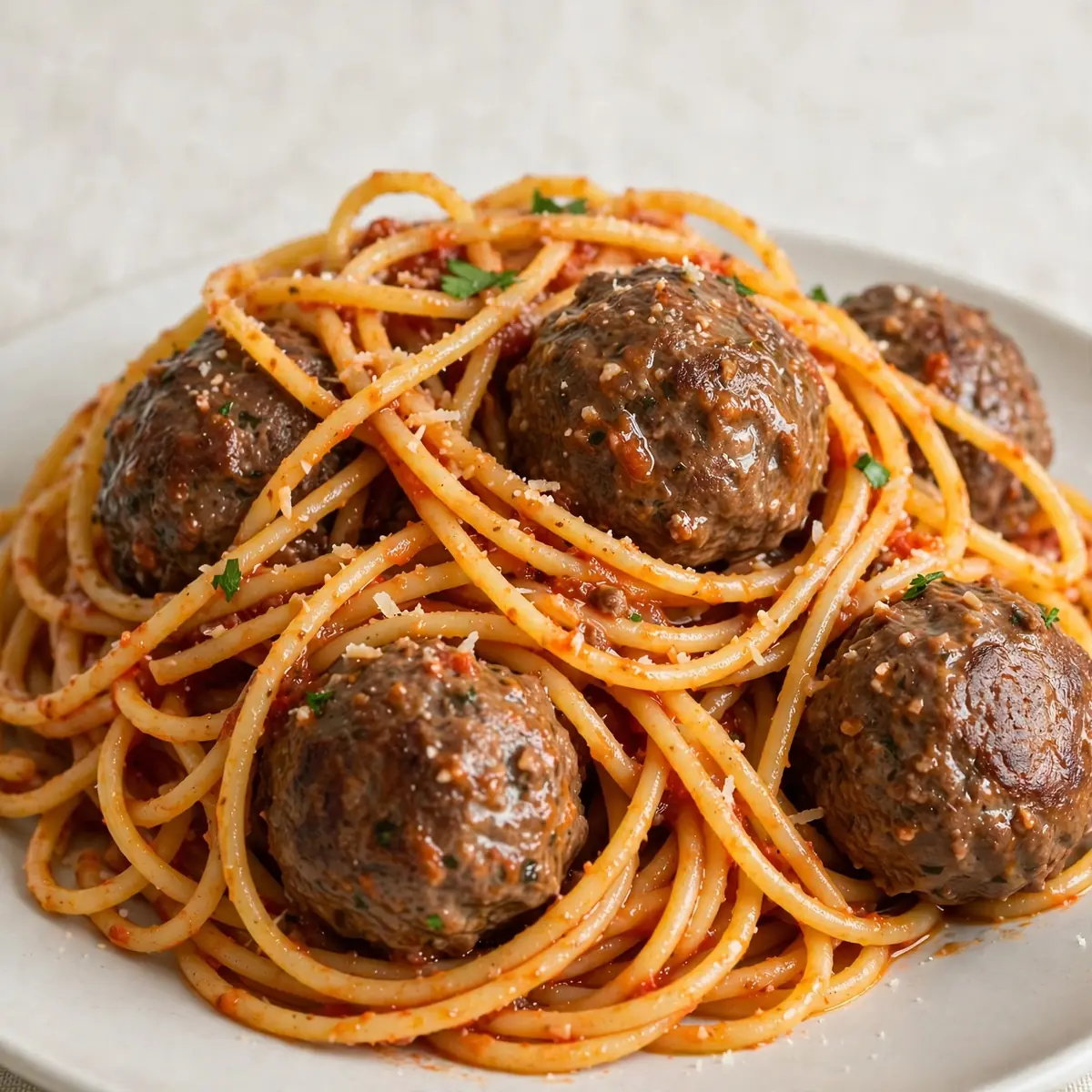
There are weekends for rushing, and then there are weekends for sinking into the slow rhythm of the stove. This spaghetti with homemade beef meatballs is the latter — a project that fills the kitchen with the scent of garlic and herbs, that asks you to roll up your sleeves and get your hands messy, and that rewards you with a plate of something deeply, quietly satisfying. Let’s take the time to do it properly.
Recipe Overview
- Prep time: 30 minutes
- Cook time: 45 minutes
- Total time: 1 hour 15 minutes
- Servings: 4 generous portions
- Difficulty: Comfortably intermediate — a few techniques to learn, but nothing rushed
Why You’ll Love This Spaghetti with Homemade Beef Meatballs
- Deep, layered flavour from scratch: Building the sauce from tinned tomatoes and fresh aromatics gives a richness no jar can match, and the beef meatballs brown beautifully to add their own savoury depth.
- A truly sensory kitchen experience: The sizzle of meatballs hitting hot oil, the pop of oregano in the pan, the way the sauce thickens and darkens — every step engages your senses and slows you down.
- Family-friendly and reliably delicious: My kids absolutely devour this every time I make it, and the leftovers are even better the next day, if any survive.
- Customisable to your pantry: You can swap the herbs, adjust the garlic, or add a pinch of chilli — the base recipe is forgiving and welcomes your own twist.
- Satisfying without being complicated: There is no specialised equipment here, just a large pot, a good frying pan, and a little patience. The result tastes like it took twice the effort.
Ingredients You’ll Need
- 500g beef mince (15-20% fat works best)
- 100g fresh breadcrumbs (from a day-old loaf, blitzed)
- 1 large egg, lightly beaten
- 3 cloves garlic, minced
- 60g Parmesan cheese, finely grated, plus extra for serving
- 2 tablespoons fresh parsley, chopped
- 1 teaspoon dried oregano
- 1 teaspoon fine sea salt
- ½ teaspoon black pepper
- 3 tablespoons olive oil, for frying
- 1 medium onion, finely diced
- 800g tinned chopped tomatoes (good quality)
- 1 teaspoon sugar (to balance acidity)
- 400g spaghetti (dried)
- Fresh basil leaves, to garnish
Tip: Use a microplane or the finest side of a box grater for the Parmesan — it melts into the meatballs and sauce far better than pre-shredded cheese from a bag.
How to Make Spaghetti with Homemade Beef Meatballs
- Make the meatball mixture. In a large bowl, combine the beef mince, breadcrumbs, beaten egg, half the minced garlic, the grated Parmesan, parsley, oregano, salt, and pepper. Use your hands to gently mix everything together — you want it just combined, not overworked. The mixture should feel soft and slightly sticky against your palms, and it will smell wonderfully of garlic and herbs.
- Roll the meatballs. With slightly damp hands (this stops the mix from clinging), roll walnut-sized balls — about 30-35g each. You should get roughly 18-20 meatballs. Place them on a tray or plate, and you’ll notice they hold their shape without cracking. Let them rest for 10 minutes at room temperature; this allows the breadcrumbs to absorb moisture and keeps them tender.
- Brown the meatballs. Heat the olive oil in a large frying pan over a medium-high flame. When the oil shimmers and a faint haze rises, carefully add the meatballs in a single layer — don’t crowd the pan; work in two batches if needed. Let them cook undisturbed for 3-4 minutes until the underside turns a deep, crusty brown and you hear a steady, gentle sizzle. Turn them with tongs and brown the other side for another 3 minutes. The smell of seared beef and caramelised edges will fill the kitchen. Transfer the meatballs to a plate — they won’t be cooked through yet, and that’s fine.
- Start the sauce. In the same pan (with all those lovely browned bits stuck to the bottom), reduce the heat to medium. Add the diced onion and cook, stirring often, for 5-6 minutes until it turns translucent and softens, releasing a sweet, mellow aroma. Add the remaining minced garlic and cook for 30 seconds until fragrant but not coloured — you’ll smell it bloom immediately.
- Build the tomato sauce. Pour in the tinned chopped tomatoes, and stir to lift all those caramelised bits from the pan — that’s pure flavour. Add the sugar, then bring the sauce to a gentle simmer. You’ll see the colour brighten from deep red to a rich, glossy crimson, and the surface will bubble softly. Let it simmer uncovered for 10 minutes, stirring occasionally, until it thickens slightly and the smell turns sweet and savoury.
- Finish the meatballs in the sauce. Gently nestle the browned meatballs into the simmering sauce. Cover the pan, reduce the heat to low, and let them cook together for 20 minutes. The meatballs will absorb the sauce’s flavour while releasing their own juices into it. When done, the meatballs should feel firm but yield to a gentle press, and the sauce will have darkened to a rich mahogany red.
- Cook the spaghetti. While the meatballs simmer, bring a large pot of generously salted water to a rolling boil — it should taste like the sea. Add the spaghetti and cook according to package directions until al dente (typically 8-10 minutes). Stir once after 30 seconds to prevent sticking. The pasta should be tender but still offer a slight resistance when bitten. Reserve about 250ml of the starchy pasta water before draining.
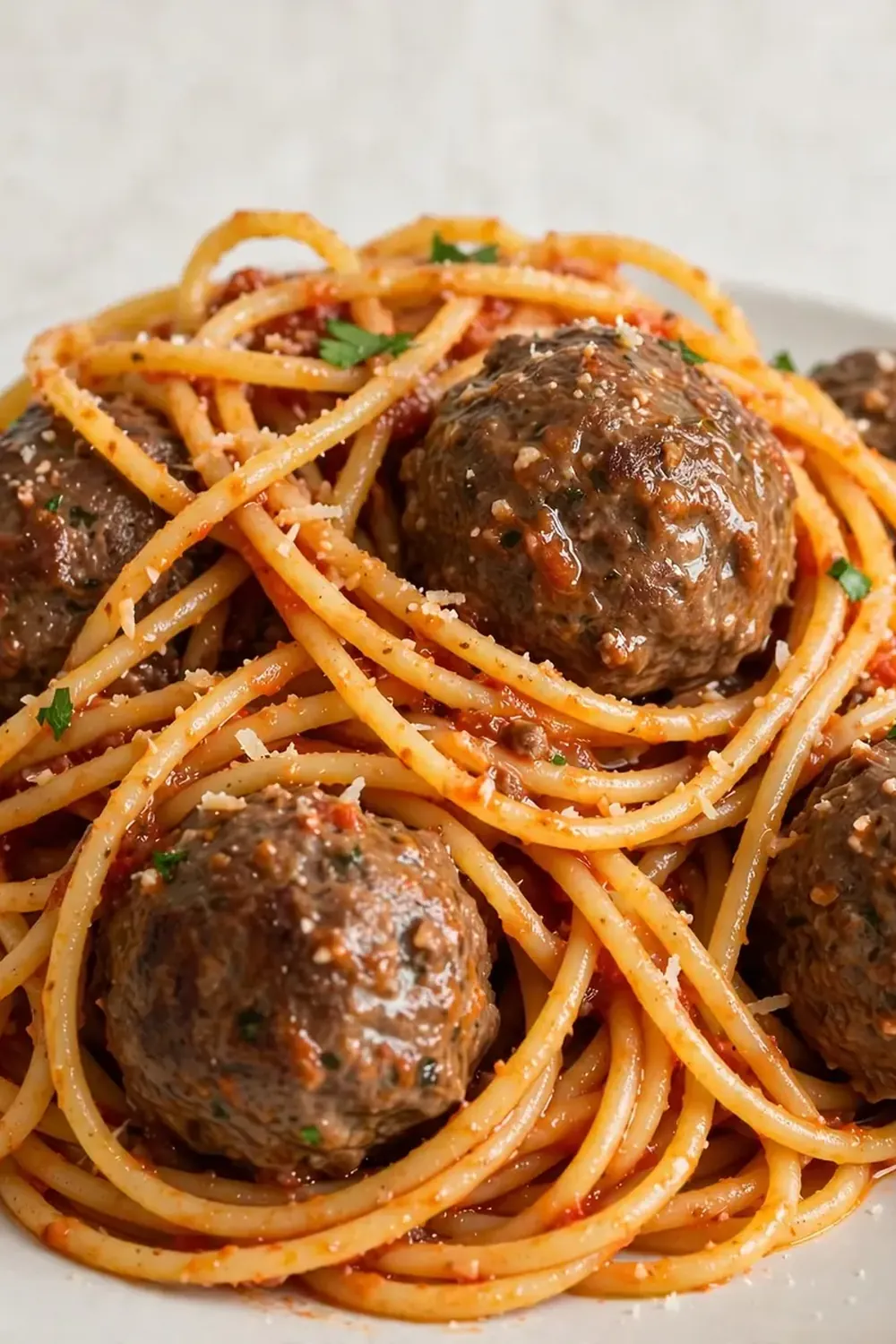
- Bring it all together. Drain the spaghetti (don’t rinse it — you want the starch) and return it to the pot. Ladle in about half the sauce and a splash of reserved pasta water, then toss vigorously with tongs until every strand is coated in a silky, clinging sauce. The pasta water helps the sauce adhere rather than pooling at the bottom. Divide the spaghetti among warm bowls, top with several meatballs and extra sauce, then scatter with fresh basil and a generous grating of Parmesan.
Tips From My Kitchen
- Don’t overwork the mince. After testing this recipe five times, I finally got it just right. Mixing the meatball ingredients too aggressively makes the proteins tighten, resulting in dense, tough meatballs. Use a light touch — fold the mixture together until it just comes into a cohesive mass, then stop.
- Use damp hands for rolling. The mixture is naturally sticky, and dry hands will leave half of it clinging to your fingers. Lightly wet your palms under the tap before each meatball; this creates a non-stick surface and gives you beautifully smooth, round meatballs without adding extra breadcrumbs.
- Resist the urge to crowd the pan during browning. If you pack the meatballs too tightly, they will steam rather than sear, and you’ll lose that deep, crusty flavour. Fry them in a single layer with plenty of space between each one. Cook in two batches if necessary — it adds five minutes but transforms the final dish.
- Save that starchy pasta water. This is the secret to a sauce that clings to each strand of spaghetti rather than sitting in a puddle at the bottom of the bowl. The starch acts as a natural emulsifier, binding the sauce and pasta together into one cohesive dish. Add it a splash at a time while tossing.
- Let the meatballs rest before cooking. The 10-minute rest after rolling is not optional — it allows the breadcrumbs to fully hydrate and the egg to set slightly. Without this pause, the meatballs can crumble in the pan. You’ll notice they feel firmer and more stable after resting.
- Taste the sauce before adding salt. Tinned tomatoes vary widely in their salt content, and the Parmesan in the meatballs adds salt as it simmers. Wait until the sauce has reduced for a few minutes, then taste and adjust only at the end. You can always add salt, but you cannot take it out.
Equipment You’ll Need
- Large pot for boiling the spaghetti
- Colander for draining
- Large frying pan (preferably a deep one, with a lid)
- Tongs or a pasta fork for tossing
- Microplane or fine grater for the Parmesan
- Mixing bowl for the meatball mixture
- Measuring spoons
Common Mistakes to Avoid
- Overcrowding the pan: When you cram too many meatballs into the pan at once, the temperature drops dramatically and they release moisture instead of browning. This results in pale, grey meatballs with no crust. Fry in a single layer with space around each one, and work in batches if your pan is small. The browning is where the flavour lives — don’t skip it.
- Wrong temperature: If the oil is too cool, the meatballs will absorb it and become greasy; if too hot, they will burn on the outside before the inside is cooked. Aim for a steady medium-high heat — the oil should shimmer and ripple when you tilt the pan, and a test piece of mince should sizzle vigorously on contact. Adjust the heat down if you see smoke.
- Skipping the rest time: Rolling the meatballs and immediately dropping them into the hot pan is tempting, but it leads to fragile, crumbly results. The 10-minute rest allows the breadcrumbs to absorb the egg and the proteins to relax, making the meatballs much more stable during browning and simmering. They will hold together beautifully and stay tender.
Delicious Variations to Try
- Spicy Version: Add ½ teaspoon of dried chilli flakes to the meatball mixture and another ½ teaspoon to the sauce when you add the tomatoes. For extra warmth, stir in a finely chopped fresh red chilli with the garlic in the sauce. The heat builds gently and complements the beef beautifully.
- Vegetarian/Vegan Option: Replace the beef mince with a plant-based mince alternative (look for one with a decent fat content, around 10-12%). Use a flax egg (1 tablespoon ground flaxseed mixed with 3 tablespoons water, left to sit for 5 minutes) instead of the egg, and swap the Parmesan for a vegan alternative or nutritional yeast. The cooking method remains exactly the same — the plant-based mince will still brown and hold together if handled gently.
- Different Protein: Swap the beef mince for an equal weight of lamb mince for a richer, more gamey flavour. Add 1 teaspoon of ground cumin and a pinch of cinnamon to the meatball mixture to complement the lamb. Alternatively, use turkey mince for a leaner version — add an extra tablespoon of olive oil to the mixture to keep the meatballs moist, as turkey is much drier than beef.
What to Serve With Spaghetti with Homemade Beef Meatballs
- A simple green salad with a sharp lemon vinaigrette — the acidity cuts through the richness of the meatballs and sauce.
- Garlic bread toasted until golden and crisp, perfect for mopping up every last smear of sauce from the plate.
- Roasted vegetables, such as courgette or aubergine, tossed in olive oil and herbs — try our Pasta Grilled Eggplant Bell Peppers for a side that echoes the Italian theme.
- A light, herby side like our Orzo Salad Cucumbers Fresh Dill for a refreshing contrast to the hearty main dish.
Still hungry for ideas? You might also love Classic Italian Spaghetti Meatballs In Tomato Sauce from our sister kitchens.
Frequently Asked Questions
Spaghetti with Homemade Beef Meatballs
Ingredients
Method
- Make the meatball mixture. In a large bowl, combine the beef mince, breadcrumbs, beaten egg, half the minced garlic, the grated Parmesan, parsley, oregano, salt, and pepper. Use your hands to gently mix everything together — you want it just combined, not overworked. The mixture should feel soft and slightly sticky against your palms, and it will smell wonderfully of garlic and herbs.
- Roll the meatballs. With slightly damp hands (this stops the mix from clinging), roll walnut-sized balls — about 30-35g each. You should get roughly 18-20 meatballs. Place them on a tray or plate, and you’ll notice they hold their shape without cracking. Let them rest for 10 minutes at room temperature; this allows the breadcrumbs to absorb moisture and keeps them tender.
- Brown the meatballs. Heat the olive oil in a large frying pan over a medium-high flame. When the oil shimmers and a faint haze rises, carefully add the meatballs in a single layer — don’t crowd the pan; work in two batches if needed. Let them cook undisturbed for 3-4 minutes until the underside turns a deep, crusty brown and you hear a steady, gentle sizzle. Turn them with tongs and brown the other side for another 3 minutes. The smell of seared beef and caramelised edges will fill the kitchen. Transfer the meatballs to a plate — they won’t be cooked through yet, and that’s fine.
- Start the sauce. In the same pan (with all those lovely browned bits stuck to the bottom), reduce the heat to medium. Add the diced onion and cook, stirring often, for 5-6 minutes until it turns translucent and softens, releasing a sweet, mellow aroma. Add the remaining minced garlic and cook for 30 seconds until fragrant but not coloured — you’ll smell it bloom immediately.
- Build the tomato sauce. Pour in the tinned chopped tomatoes, and stir to lift all those caramelised bits from the pan — that’s pure flavour. Add the sugar, then bring the sauce to a gentle simmer. You’ll see the colour brighten from deep red to a rich, glossy crimson, and the surface will bubble softly. Let it simmer uncovered for 10 minutes, stirring occasionally, until it thickens slightly and the smell turns sweet and savoury.
- Finish the meatballs in the sauce. Gently nestle the browned meatballs into the simmering sauce. Cover the pan, reduce the heat to low, and let them cook together for 20 minutes. The meatballs will absorb the sauce’s flavour while releasing their own juices into it. When done, the meatballs should feel firm but yield to a gentle press, and the sauce will have darkened to a rich mahogany red.
- Cook the spaghetti. While the meatballs simmer, bring a large pot of generously salted water to a rolling boil — it should taste like the sea. Add the spaghetti and cook according to package directions until al dente (typically 8-10 minutes). Stir once after 30 seconds to prevent sticking. The pasta should be tender but still offer a slight resistance when bitten. Reserve about 250ml of the starchy pasta water before draining.
- Bring it all together. Drain the spaghetti (don’t rinse it — you want the starch) and return it to the pot. Ladle in about half the sauce and a splash of reserved pasta water, then toss vigorously with tongs until every strand is coated in a silky, clinging sauce. The pasta water helps the sauce adhere rather than pooling at the bottom. Divide the spaghetti among warm bowls, top with several meatballs and extra sauce, then scatter with fresh basil and a generous grating of Parmesan.
Notes
There is something quietly meditative about standing at the stove, watching the sauce bubble and the meatballs turn glossy, knowing that a plate of this spaghetti is waiting for you at the end. I hope this recipe becomes part of your weekend rhythm — something to slow down for, to share with the people you love, and to return to again and again. If you make it, I would love to hear how it turned out in the comments below.