Weekend Comfort: Seared Tuna and Mango Salad Bowl
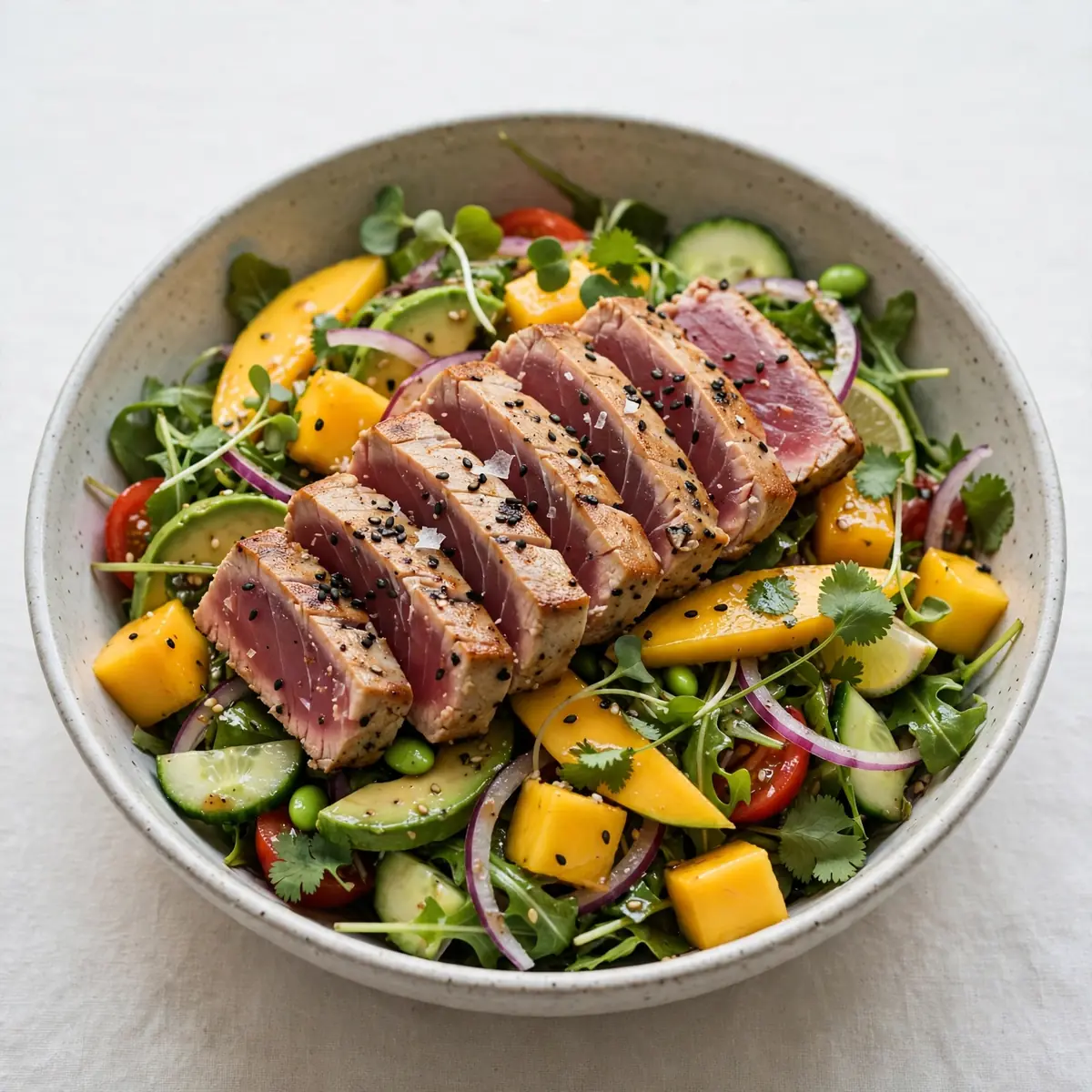
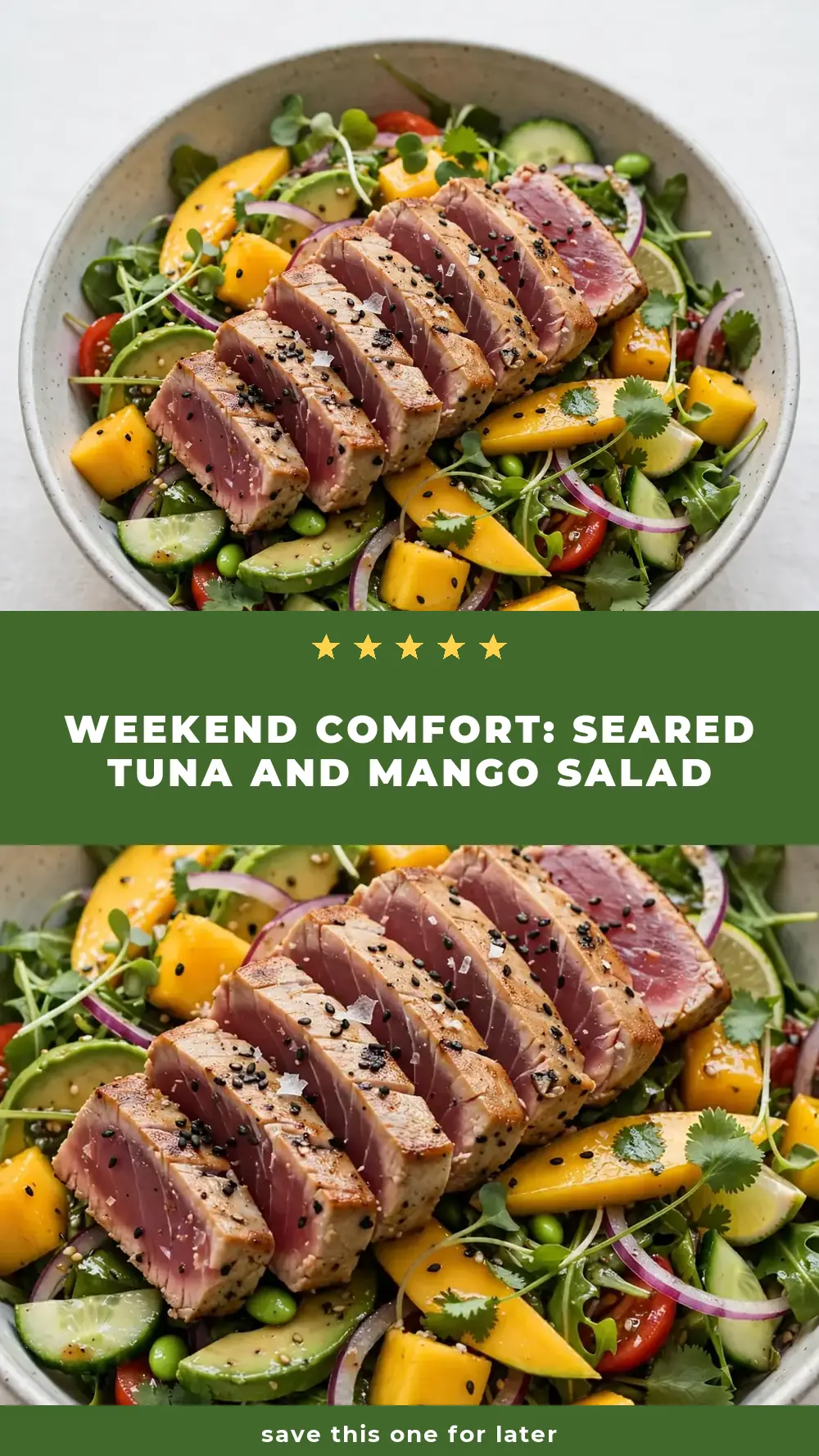
There are some weekends that demand a proper project, something that fills the kitchen with warmth and the promise of a meal worth slowing down for. For me, that project is often a Seared Tuna and Mango Salad Bowl, a dish that transforms the simple act of cooking into a sensory ritual. It’s the sizzle of the tuna hitting a hot pan, the sharp scent of ginger cutting through the air, and the final, glorious assembly of colours and textures on a plate that makes this my go-to comfort food endeavour.
Recipe Overview
- Prep time: 20 minutes
- Cook time: 6 minutes
- Total time: 35 minutes (plus 15 minutes resting time for the tuna)
- Servings: 2 generous main course bowls
- Difficulty: Moderate (the searing requires a little confidence, but it’s very achievable)
Why You’ll Love This Seared Tuna and Mango Salad Bowl
- A feast for the senses: The entire process, from the heady aroma of sesame oil to the bright, juicy pop of mango, is a calming, almost meditative experience. You aren’t just cooking; you are building a moment of peace.
- Contrasts that thrill the palate: This bowl is a masterclass in texture. You have the buttery-soft, rare centre of the tuna against the crisp, cool crunch of cucumber and the silky smoothness of ripe avocado. Every forkful is a discovery.
- Weekend-worthy, yet surprisingly achievable: While it feels like a special-occasion meal, the actual hands-on time is minimal. The magic is in the preparation and the quality of the ingredients, not in complicated techniques. I’ve been making this for over 10 years, and it never disappoints.
- Customisable to your pantry: The base of this salad is incredibly forgiving. Don’t have edamame? Use broad beans. Prefer coriander to mint? Go for it. It’s a canvas for your own creativity.
- A complete, nourishing meal in a bowl: This isn’t a side salad; it’s a main event. The protein-rich tuna, healthy fats from the avocado and sesame, and vibrant carbohydrates from the mango and salad leaves make it a perfectly balanced and deeply satisfying dinner.
Ingredients You’ll Need
- 2 x 150g fresh tuna steaks, about 2.5cm thick
- 1 large, ripe mango, peeled and diced into 1cm cubes
- 1 large avocado, peeled, stoned, and diced
- 100g mixed salad leaves (watercress, rocket, and baby spinach work beautifully)
- 1/2 cucumber, deseeded and sliced into half-moons
- 100g frozen edamame beans, thawed
- 2 spring onions, finely sliced
- 2 tablespoons black and white sesame seeds, mixed
- 2 tablespoons neutral oil (like sunflower or rapeseed)
- Flaky sea salt and freshly ground black pepper
For the dressing:
- 3 tablespoons light soy sauce
- 1 tablespoon rice vinegar
- 1 tablespoon toasted sesame oil
- 1 teaspoon freshly grated ginger
- 1 teaspoon honey
- Juice of 1/2 lime
Tip: For the very best flavour, ensure your tuna is sushi-grade and as fresh as possible. The quality of the fish is the star of this show, so it’s worth seeking out a good fishmonger.
How to Make Seared Tuna and Mango Salad Bowl
- Prepare the dressing and aromatics: In a small jar, combine the soy sauce, rice vinegar, toasted sesame oil, grated ginger, honey, and lime juice. Screw the lid on tightly and shake vigorously until the honey has dissolved and the dressing looks emulsified and slightly cloudy. Set it aside to let the flavours meld. The scent of the ginger and sesame will start to fill your kitchen immediately.
- Season and coat the tuna: Pat the tuna steaks dry with kitchen paper. This is crucial for a good sear. Season them generously on all sides with flaky sea salt and a good crack of black pepper. Sprinkle the mixed sesame seeds onto a plate, then press each tuna steak into the seeds, coating all sides. You want a good, even crust. The tuna should feel firm and cool in your hand.
- Sear the tuna (the sensory climax): Place a heavy-based frying pan over a high heat and add the neutral oil. Wait until the oil is shimmering and just beginning to smoke – you should see faint wisps. Gently lay the tuna steaks in the pan. You will hear a magnificent, aggressive sizzle. Sear for 60-90 seconds without moving them. The edges of the tuna will turn a pale, cooked white-grey, and the sesame seeds will toast, releasing a wonderful nutty aroma. Flip the steaks and sear the other side for a further 60-90 seconds. The sides should be beautifully golden and crusty, while the centre remains a deep, ruby red. For a more well-done steak, cook for an extra 30 seconds per side, but I find the rare centre is the true joy of this dish.
- Rest the tuna: Transfer the seared tuna to a clean cutting board. This is a non-negotiable step. Let it rest for at least 10-15 minutes. As it rests, the juices will redistribute throughout the steak, ensuring every slice is moist and tender. You will see a little juice pool on the board – that’s flavour you’ve saved.
- Assemble the salad base: While the tuna rests, build the bed for your salad. In a large bowl, gently toss the mixed salad leaves, cucumber slices, thawed edamame, and sliced spring onions. The leaves should look bright and perky, not wilted. Arrange this mixture between two large, shallow bowls.
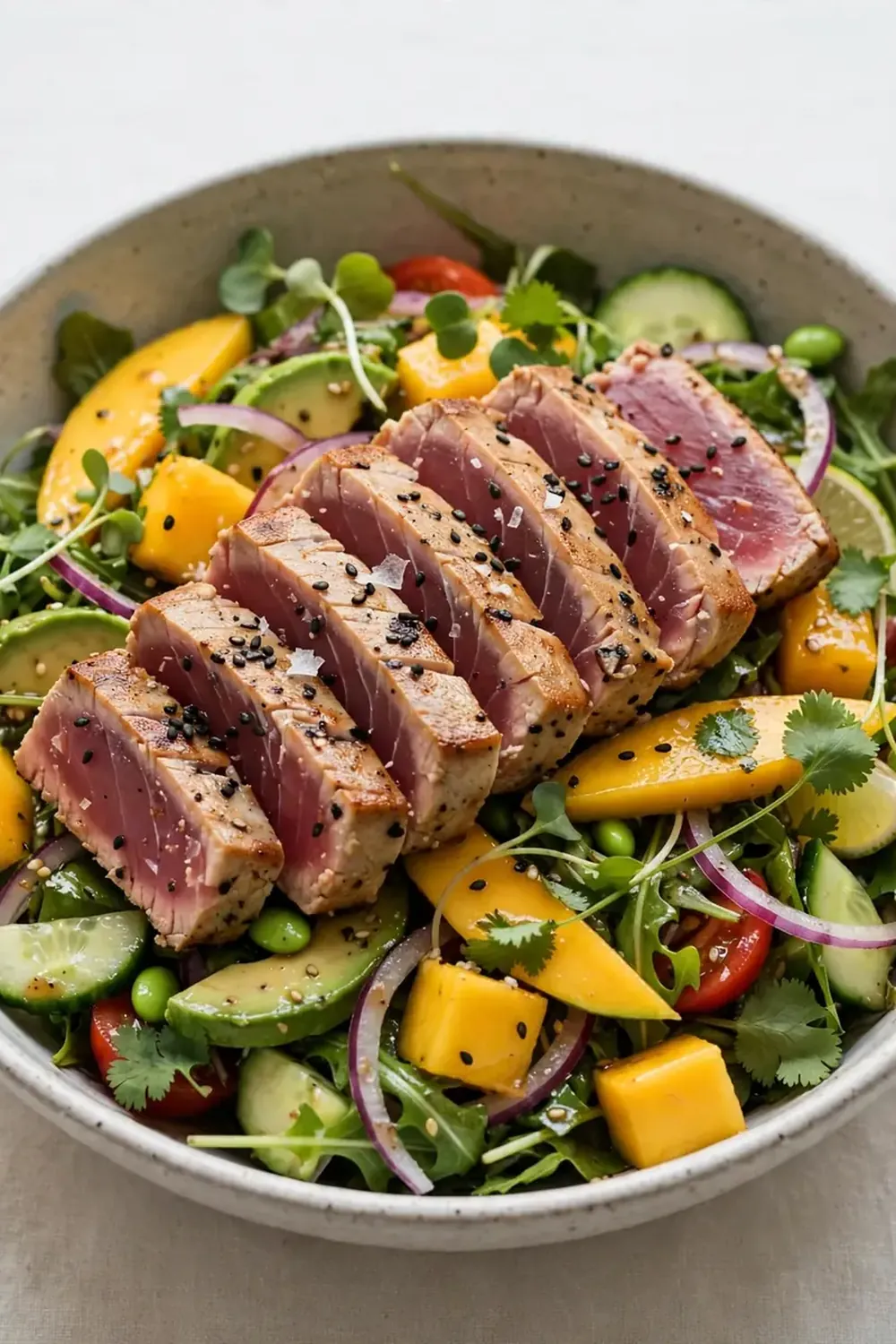
- Slice and arrange the tuna: Using a very sharp knife, slice the rested tuna against the grain into 1cm thick pieces. Look at the cross-section: you want a dark, translucent ruby centre framed by a ring of golden, cooked fish and a crisp sesame crust. The texture should look almost like a fine piece of raw fish, but firmer.
- Finish and serve: Artfully arrange the sliced tuna, diced mango, and diced avocado on top of the salad base. Give the dressing another good shake, then drizzle it generously over the entire bowl. Serve immediately, while the tuna is still just barely warm and the salad is cool and crisp. My kids absolutely devour this every time I make it, always fighting over the mango pieces.
Tips From My Kitchen
- Get the pan screaming hot: The key to a perfect sear is a very hot pan. If the pan isn’t hot enough, the tuna will steam rather than sear, and it will turn an unappetising grey all the way through. You want that initial contact to create an instant crust. The oil should be shimmering and almost smoking.
- Dry the tuna thoroughly: Moisture is the enemy of a good sear. Before you add the salt, pepper, and sesame seeds, pat the tuna steaks completely dry with a piece of kitchen paper. Any surface moisture will create steam and prevent that beautiful golden-brown crust from forming.
- Don’t skip the resting step: I know it’s tempting to slice the tuna immediately, but trust me on this. Resting allows the protein fibres to relax and reabsorb their juices. If you cut into it straight away, all those lovely juices will run out onto the board, leaving you with dry, disappointing fish. The rest is where the magic happens.
- Use a ripe but firm mango: For the perfect dice, the mango needs to be sweet and fragrant but still hold its shape. An overripe mango will turn to mush when you toss it. Give it a gentle squeeze – it should yield slightly but not feel soft. The scent at the stem should be intensely fruity.
- Toast your own sesame seeds for a deeper flavour: While the recipe calls for a mix of black and white seeds, toasting them in a dry pan over a medium heat for a minute or two before coating the tuna can elevate the dish. You’ll hear them start to pop, and the nutty aroma will be far more pronounced. Keep them moving so they don’t burn.
Equipment You’ll Need
- Large salad bowl
- Sharp knife and cutting board
- Salad servers
- Small jar for dressing
- Heavy-based frying pan or cast-iron skillet
- Tongs (for flipping the tuna)
Common Mistakes to Avoid
- Overcrowding the pan: If you try to sear more than two tuna steaks at once, the pan will lose its heat, and the fish will start to steam instead of sear. Cook the steaks in batches if necessary. The sizzle should be loud and immediate; if it’s quiet, you’ve overcrowded the pan.
- Wrong temperature: The pan must be on a high heat. A medium heat will cook the tuna through before the outside has a chance to form a crust. You want a fierce, intense heat for a very short period of time. The result should be a crusty exterior and a cool, rare centre.
- Skipping the rest time: This is the most common mistake I see. Slicing the tuna too soon will cause it to lose all its moisture and become tough and dry. The 10-15 minute rest is what guarantees that beautiful, buttery texture in every bite. It is not optional.
What to Serve With Seared Tuna and Mango Salad Bowl
This bowl is a meal in itself, but if you’re looking to round out a weekend feast, a few simple sides work beautifully.
- Steamed jasmine rice or sticky rice to soak up any extra dressing.
- A bowl of miso soup for a truly comforting, Japanese-inspired meal.
- If you’re in the mood for another comforting bowl, a Roasted Beet Salad with Goat Cheese offers a lovely earthy contrast to the bright, fresh flavours of the tuna and mango.
- For a different kind of weekend project, the Cosy Weekend Creamy Pesto Chicken Pasta Bake is a wonderful option for a night when you want something a little more indulgent.
Still hungry for ideas? You might also love Healthy Quinoa Salad Recipe Bowl, Nutrient Packed Salad Bowl Recipes from our sister kitchens.
Frequently Asked Questions
Seared Tuna and Mango Salad Bowl
Ingredients
Method
-
Prepare the dressing and aromatics: In a small jar, combine the soy sauce, rice vinegar, toasted sesame oil, grated ginger, honey, and lime juice. Screw the lid on tightly and shake vigorously until the honey has dissolved and the dressing looks emulsified and slightly cloudy. Set it aside to let the flavours meld. The scent of the ginger and sesame will start to fill your kitchen immediately.
-
Season and coat the tuna: Pat the tuna steaks dry with kitchen paper. This is crucial for a good sear. Season them generously on all sides with flaky sea salt and a good crack of black pepper. Sprinkle the mixed sesame seeds onto a plate, then press each tuna steak into the seeds, coating all sides. You want a good, even crust. The tuna should feel firm and cool in your hand.
-
Sear the tuna (the sensory climax): Place a heavy-based frying pan over a high heat and add the neutral oil. Wait until the oil is shimmering and just beginning to smoke – you should see faint wisps. Gently lay the tuna steaks in the pan. You will hear a magnificent, aggressive sizzle. Sear for 60-90 seconds without moving them. The edges of the tuna will turn a pale, cooked white-grey, and the sesame seeds will toast, releasing a wonderful nutty aroma. Flip the steaks and sear the other side for a further 60-90 seconds. The sides should be beautifully golden and crusty, while the centre remains a deep, ruby red. For a more well-done steak, cook for an extra 30 seconds per side, but I find the rare centre is the true joy of this dish.
-
Rest the tuna: Transfer the seared tuna to a clean cutting board. This is a non-negotiable step. Let it rest for at least 10-15 minutes. As it rests, the juices will redistribute throughout the steak, ensuring every slice is moist and tender. You will see a little juice pool on the board – that’s flavour you’ve saved.
-
Assemble the salad base: While the tuna rests, build the bed for your salad. In a large bowl, gently toss the mixed salad leaves, cucumber slices, thawed edamame, and sliced spring onions. The leaves should look bright and perky, not wilted. Arrange this mixture between two large, shallow bowls.
-
Slice and arrange the tuna: Using a very sharp knife, slice the rested tuna against the grain into 1cm thick pieces. Look at the cross-section: you want a dark, translucent ruby centre framed by a ring of golden, cooked fish and a crisp sesame crust. The texture should look almost like a fine piece of raw fish, but firmer.
-
Finish and serve: Artfully arrange the sliced tuna, diced mango, and diced avocado on top of the salad base. Give the dressing another good shake, then drizzle it generously over the entire bowl. Serve immediately, while the tuna is still just barely warm and the salad is cool and crisp. My kids absolutely devour this every time I make it, always fighting over the mango pieces.
Notes
Conclusion
This Seared Tuna and Mango Salad Bowl is more than just a recipe; it’s a gentle reminder to find joy in the process of cooking. The rhythm of slicing, the hiss of the pan, the final triumphant arrangement of colours on the plate – it all adds up to a deeply satisfying weekend ritual. I hope you find the same comfort and pleasure in making it as I do. If you try it, I’d love to hear about your experience in the comments below. And if you’re looking for another slow, comforting project, the Mango And Black Bean Summer Salad is another wonderful bowl to explore.